 By Dayang Nur Idayu
 Introduction
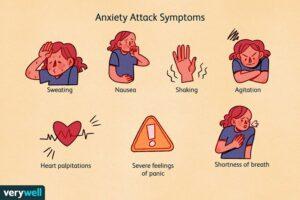
In today’s fast-paced world, anxiety has become a common challenge that affects millions of people globally. Whether it stems from work pressure, personal issues, or daily responsibilities, anxiety can disrupt one’s peace of mind and overall well-being. Fortunately, there are effective strategies to help manage stress and bring calmness back into your life.
Revised Introduction
Overcome anxiety by understanding that it’s a natural response to stress, not a permanent state of mind. In today’s fast-paced world, anxiety affects millions of people globally, often caused by work pressure, personal responsibilities, or emotional challenges. It can disrupt your peace and productivity if left unchecked. Fortunately, there are effective ways to manage stress and regain control. This article shares eight practical strategies to overcome anxiety and create a calmer, more balanced mind.
✅ Revised Conclusion (SEO Optimized)
To overcome anxiety, you must focus on small, consistent steps toward better mental health. By practicing mindfulness, building positive habits, and seeking support when needed, you can regain a sense of calm and control. Remember that anxiety doesn’t define who you are—it’s a temporary state that can be managed with awareness and action.
Start your journey today: breathe deeply, stay present, and apply these practical strategies to overcome anxiety for a calmer, stronger, and more confident mind.
1. Practice Mindful Breathing
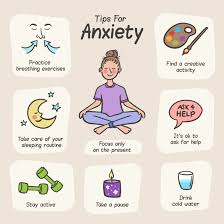
Mindful breathing is one of the simplest yet most effective ways to calm the nervous system. Take slow, deep breaths—inhale for four seconds, hold for four, and exhale for four. This technique helps lower heart rate and activates the body’s relaxation response. Practicing mindfulness techniques like this daily can significantly reduce anxiety and stress.

2. Maintain a Healthy Routine
A structured routine provides stability, which can help ease feelings of anxiety. Ensure you get enough sleep, eat balanced meals, and exercise regularly. Physical activity releases endorphins, the body’s natural mood boosters, while proper rest supports emotional regulation. Consistency in your daily habits fosters a sense of control and predictability—key elements in anxiety relief.
3. Limit Caffeine and Sugar Intake
High caffeine or sugar consumption can worsen anxiety symptoms by increasing heart rate and jitteriness. Replace caffeinated beverages with herbal tea or water, and opt for natural snacks instead of sugary treats. Your body and mind will thank you for making this small but impactful change toward achieving a calmer mind. Hand flipping wooden cubes to change the wording “Panic” to “Calm.” Mindset is important for human development.

4. Challenge Negative Thoughts
Anxiety often grows from negative thinking patterns. Try to identify irrational thoughts and replace them with balanced, realistic ones. Cognitive restructuring—a method used in cognitive behavioral therapy (CBT)—can help you view challenges from a more objective perspective. This strategy builds mental resilience and reduces overthinking. https://www.example.com/overcome-anxiety-tips

5. Stay Connected with Supportive People
Social connection plays a vital role in emotional well-being. Talk to a trusted friend, family member, or counselor about how you feel. Sharing your thoughts not only provides relief but also reminds you that you are not alone. Building a strong support network is an essential part of stress management strategies. https://www.example.com/8-ways-to-overcome-anxiety-practical-strategies-for-a-calmer-mind
6. Practice Relaxation Techniques
Engage in relaxation practices such as yoga, meditation, or progressive muscle relaxation. These activities promote deep relaxation and mindfulness, helping you stay present instead of worrying about the future. Just 10–15 minutes of relaxation exercises daily can create a noticeable difference in your anxiety levels. 
7. Reduce Digital Overload
Excessive screen time, especially scrolling through social media, can heighten anxiety and feelings of inadequacy. Set boundaries for digital usage—try “screen-free hours” before bedtime or during meals. Instead, spend time on hobbies, reading, or connecting with nature. These small lifestyle adjustments can greatly improve mental health and emotional balance. https://www.example.com/ways-to-overcome-anxiety
8. Seek Professional Help When Needed
If anxiety persists or becomes overwhelming, don’t hesitate to seek help from a licensed therapist or mental health professional. Therapy provides tools for managing anxiety effectively and helps uncover underlying causes. In some cases, a combination of therapy and medication may be necessary. Taking this step is a sign of strength, not weakness. https://www.yourdomain.com/morning-mental-health-habits
Conclusion
Overcoming anxiety is a gradual process that requires patience, self-awareness, and consistent effort. By practicing mindfulness, maintaining healthy habits, and surrounding yourself with supportive people, you can learn to control your thoughts and emotions more effectively. Remember, anxiety doesn’t define you—it’s simply a signal from your mind that needs care and balance.
Start small: take deep breaths, focus on what you can control, and celebrate each step toward peace. With these practical strategies, you’ll build a calmer mind, stronger resilience, and a healthier outlook on life. Each mindful action brings you one step closer to lasting emotional balance and true inner calm.