 By Vivian Lee Yao Ting

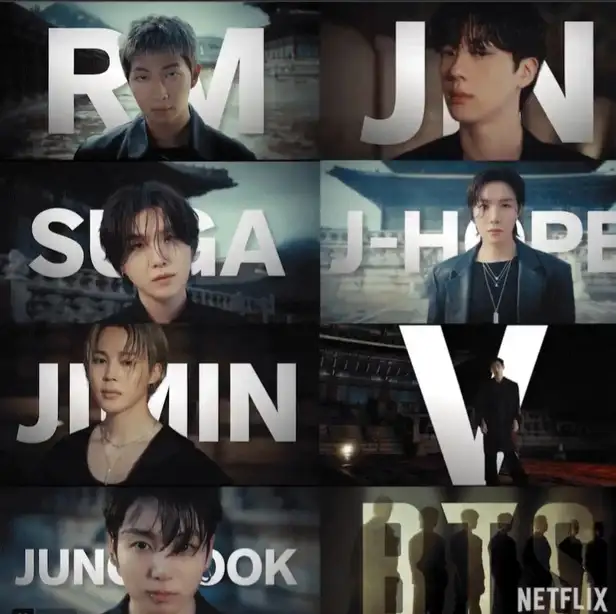
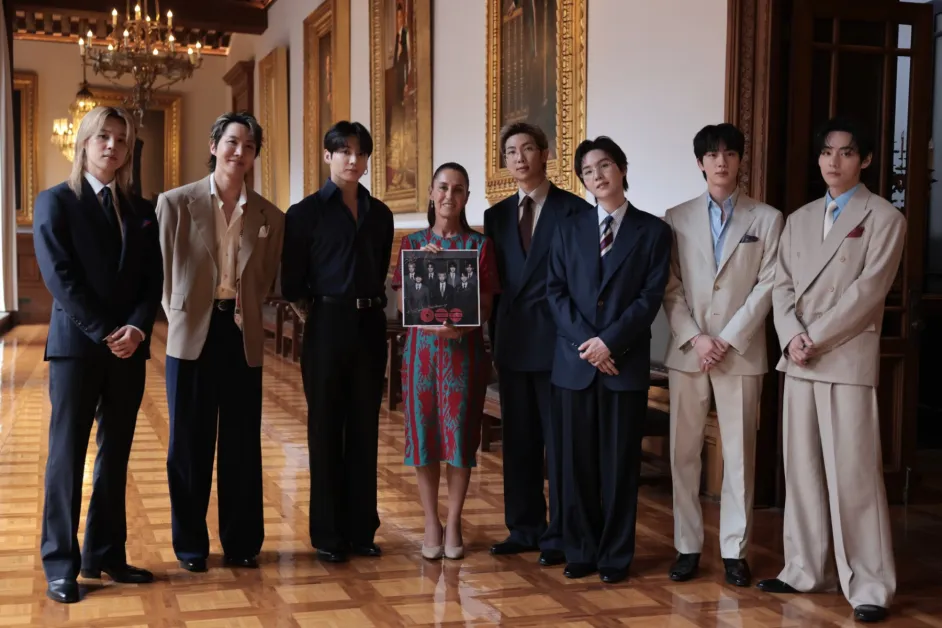
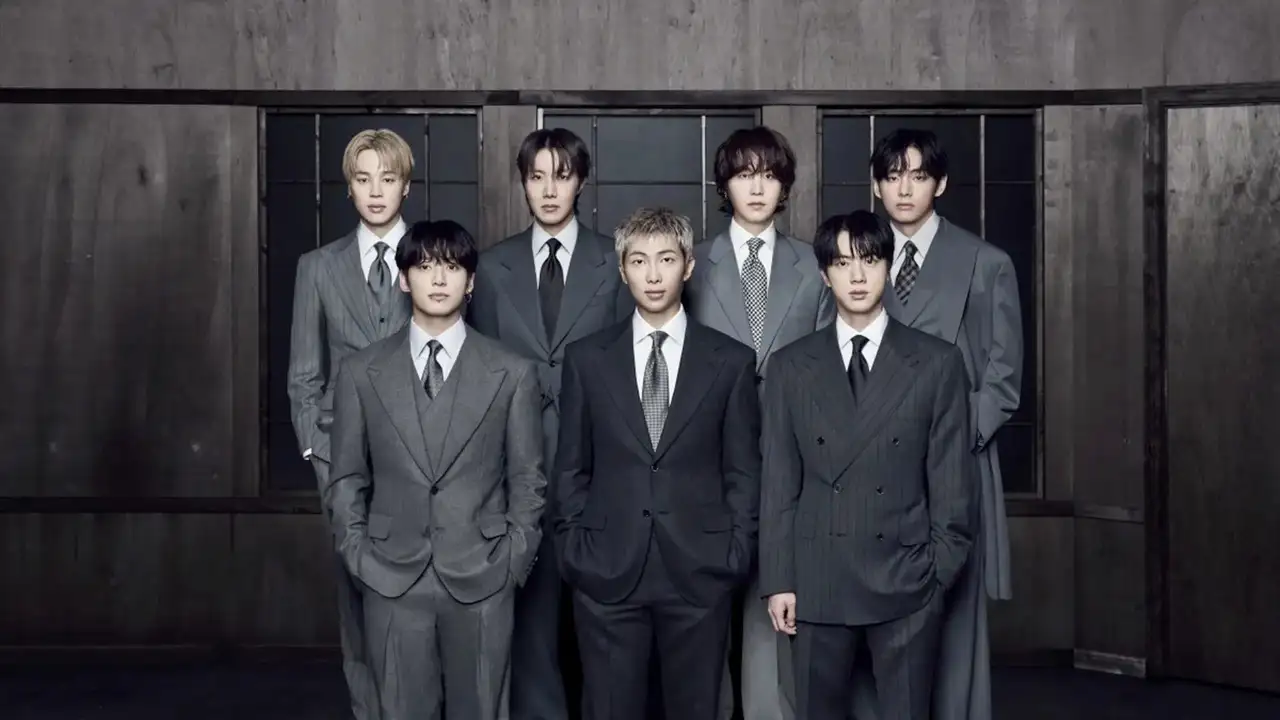
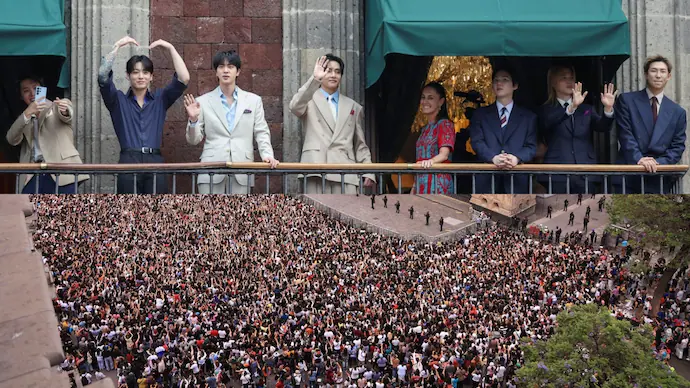
When news broke that BTS would finally return to Malaysia after 11 years for their highly anticipated BTS WORLD TOUR ‘ARIRANG’ IN KUALA LUMPUR, social media exploded almost instantly. Malaysian ARMYs flooded TikTok, Instagram, X, and WhatsApp groups with countdowns, ticket strategies, outfit inspirations, and emotional reactions. Some fans described it as “a once-in-a-lifetime moment.” Others jokingly admitted they prepared for ticket sales more seriously than final exams.
But beneath the excitement lies a fascinating question for educators, parents, and students alike:
Why are millions of young people capable of showing extraordinary motivation, focus, commitment, and emotional investment for a concert — yet struggle to feel the same excitement in classrooms?
Perhaps the issue is not that students no longer want to learn.
Perhaps the issue is that modern education still struggles to compete with experiences that feel emotionally meaningful, socially engaging, and psychologically rewarding.
The return of BTS is more than just entertainment. It is a global cultural phenomenon that reveals how motivation, anticipation, community, storytelling, and emotional connection shape human behaviour — especially among young people.
And maybe education has something important to learn from it.
The Comeback That Captured the World
The scale of BTS’s 2026 comeback is difficult to ignore. After years of military service, solo projects, and anticipation, the group returned with a new album, Arirang, followed by what many media outlets describe as one of the biggest global tours in K-pop history.
The world tour reportedly spans dozens of countries and stadium performances across multiple continents, with Malaysia confirmed as one of the major Southeast Asian stops. Kuala Lumpur’s concerts at TM Stadium Nasional are expected to attract fans from across Asia, reviving tourism, hospitality, transportation, food businesses, and local entertainment sectors.
In cities like Las Vegas, BTS-related events have already boosted local businesses significantly. Restaurants, hotels, pop-up stores, transportation services, and merchandise vendors experienced increased customer traffic due to concert tourism.
HYBE, the entertainment company behind BTS, recently reported record-breaking revenue growth linked to the group’s comeback album and world tour activities.
This is no longer just music.
This is economics.
This is psychology.
This is cultural influence.
This is education about the modern world happening outside traditional classrooms.
Why Does a BTS Comeback Create So Much Excitement?
To many parents or older generations, the intense excitement around K-pop may appear excessive.
But psychologists and educators may see something deeper.
A BTS comeback activates several powerful motivational systems in the human brain:
- Anticipation
- Community belonging
- Emotional storytelling
- Reward systems
- Identity formation
- Shared experiences
These experiences trigger dopamine — a neurotransmitter strongly connected to motivation and reward anticipation.
Interestingly, dopamine is not only released when people achieve something.
It is often released while people are anticipating something exciting.
That explains why fans spend weeks:
- Watching teaser videos
- Joining fan discussions
- Creating countdowns
- Learning song lyrics
- Planning concert outfits
- Competing for tickets
The excitement begins long before the actual event.
In many ways, K-pop has mastered the psychology of anticipation.
Education, however, often focuses only on outcomes:
- Grades
- Exams
- Results
- Deadlines
Students are told to work hard for rewards that may feel distant or emotionally disconnected.
Meanwhile, K-pop continuously creates emotional momentum.
And this raises an uncomfortable question:
What if schools focused more on anticipation and engagement, instead of only evaluation?
The Classroom vs The Comeback Experience
Imagine two scenarios.
Scenario 1: Traditional Classroom
A student enters a lecture hall.
The lecturer reads slides for two hours.
Assignments are uploaded online.
Exams happen at the end of the semester.
Students memorise information mainly to pass.
Excitement is minimal.
Scenario 2: A BTS Comeback
Months before release:
- Teasers appear online
- Fans discuss theories
- Communities become active
- Emotional narratives build
- Fans feel included in the journey
- Visual storytelling increases anticipation
The audience becomes emotionally invested.
The experience feels immersive.
Now imagine if learning environments created similar emotional energy.
Not through turning schools into concerts — but through:
- Storytelling
- Curiosity
- Gamification
- Community
- Purpose-driven learning
- Interactive anticipation
Would students engage differently?
Probably yes.
What Education Can Learn From K-pop
K-pop’s success is not accidental.
It is carefully designed around human psychology and emotional experience.
Ironically, many educational systems still rely heavily on methods developed for industrial-era learning environments.
Today’s students live in an experience-driven world.
They are surrounded by:
- Interactive media
- Personalised algorithms
- Instant feedback
- Digital communities
- Emotional storytelling
Traditional education often feels emotionally flat by comparison.
This does not mean education should become entertainment.
But it does mean educators may need to rethink how learning experiences are designed.
1. Anticipation Creates Motivation
K-pop companies understand one powerful truth:
People become emotionally attached when they feel anticipation.
That is why comeback campaigns are released gradually:
- Concept photos
- Teaser videos
- Hidden clues
- Fan theories
- Exclusive previews
Each stage increases curiosity.
Education could apply similar ideas.
Instead of revealing everything immediately, lecturers could:
- Introduce mystery-based learning
- Use progressive storytelling
- Create challenge systems
- Build curiosity before lessons begin
A student who becomes curious is more likely to stay engaged.
Curiosity is one of the strongest learning motivators.
2. Community Drives Commitment
BTS fandom culture demonstrates how communities strengthen motivation.
Fans rarely experience excitement alone.
They discuss, celebrate, analyse, and support one another.
This sense of belonging matters deeply, especially for young people.
Research consistently shows students perform better when they feel connected socially and emotionally.
Yet many classrooms still reward individual competition more than collaborative belonging.
What if schools focused more on:
- Peer encouragement
- Team learning
- Shared goals
- Student communities
- Emotional safety
Students might not only learn better.
They might also feel less isolated.
3. Storytelling Makes People Remember
Most students forget lecture slides quickly.
But they remember stories.
BTS albums often revolve around themes:
- Youth struggles
- Identity
- Dreams
- Fear
- Growth
- Self-love
These narratives create emotional resonance.
Education could become more memorable when concepts are connected to:
- Human stories
- Real-world relevance
- Emotional experiences
- Personal reflection
A student may forget definitions.
But they rarely forget stories that make them feel something.
4. Feedback and Rewards Matter
K-pop fans receive continuous emotional rewards:
- New content
- Fan interactions
- Milestones
- Community recognition
- Visual experiences
Meanwhile, students sometimes wait months for feedback.
Delayed feedback weakens motivation.
Gamification research suggests people stay engaged when progress feels visible.
Simple educational changes can help:
- Achievement systems
- Interactive quizzes
- Progress tracking
- Immediate feedback
- Celebrating improvement, not just perfection
Learning should feel like progress, not punishment.
The Malaysian Perspective
Malaysia’s education system has long emphasised academic achievement and examination performance.
While academic excellence remains important, many educators increasingly recognise the need for:
- Creativity
- Critical thinking
- Emotional intelligence
- Communication skills
- Adaptability
These skills matter even more in an AI-driven economy.
Ironically, many of these abilities are naturally strengthened through fandom culture:
- Global communication
- Online collaboration
- Content creation
- Marketing awareness
- Language learning
- Cultural understanding
Many Malaysian BTS fans:
- Learn Korean phrases
- Engage with international communities
- Develop editing and design skills
- Participate in online business activities
- Understand digital marketing trends
This represents informal learning happening outside formal education systems.
Sometimes students are learning more than adults realise.
BTS and the Global Economy
The impact of BTS extends far beyond music charts.
Economists often discuss the group as an example of South Korea’s “soft power” influence.
Through music and culture, BTS has contributed to global interest in:
- Korean tourism
- Food
- Cosmetics
- Fashion
- Language learning
- Technology
- Entertainment exports
Their concerts stimulate massive economic activity.
Hotels fill up.
Flights increase.
Restaurants gain customers.
Merchandise sales surge.
Temporary jobs are created.
Local economies benefit.
The Malaysia concerts are expected to generate similar economic impact through tourism and consumer spending.
For students studying economics or business, BTS is actually a fascinating real-world case study involving:
- Consumer behaviour
- Branding
- Globalisation
- Experience economy
- Digital marketing
- International trade
- Soft power economics
Sometimes students engage more deeply when education connects to things they already care about emotionally.
Why Students Need Inspiration, Not Just Information
Today’s students live in a world overflowing with information.
AI can generate summaries instantly.
Facts are searchable within seconds.
What students increasingly lack is not access to knowledge.
It is motivation, meaning, and emotional direction.
This may explain why many young people feel exhausted despite having more educational resources than ever before.
Students do not simply want content.
They want:
- Purpose
- Connection
- Inspiration
- Relevance
- Hope
BTS resonates globally partly because their music often speaks honestly about:
- Anxiety
- Pressure
- Burnout
- Fear of failure
- Identity struggles
These are emotions many students quietly experience.
When students feel emotionally understood, motivation becomes stronger.
Parents and Educators May Need to Rethink “Distraction”
Many parents understandably worry about excessive fandom culture.
Certainly, unhealthy obsession can become problematic.
But dismissing K-pop entirely as “distraction” may overlook something important.
For many students, music and fandom communities function as:
- Stress relief
- Emotional coping systems
- Social connection
- Identity exploration
- Motivation during difficult periods
Especially after years of pandemic disruptions, mental health concerns, and academic pressure, emotional support matters more than ever.
The question may not be:
“Why are students obsessed with K-pop?”
The better question may be:
“What emotional needs are students fulfilling through these experiences?”
Understanding that question may help educators and parents connect with younger generations more effectively.
What If Learning Felt More Human?
Perhaps the real lesson from BTS is not about music.
It is about emotional design.
K-pop succeeds because it understands how humans feel:
- Excitement
- Curiosity
- Belonging
- Motivation
- Anticipation
- Recognition
Education often focuses heavily on content delivery while underestimating emotional experience.
But humans do not learn only through logic.
We learn through emotion.
We remember experiences that make us feel alive, curious, inspired, or connected.
The future of education may not depend solely on technology or AI.
It may depend on whether learning environments can feel more:
- Human
- Meaningful
- Interactive
- Purpose-driven
- Emotionally engaging
Final Reflection: Maybe Students Are Not Losing Motivation
When BTS tickets become available, students:
- Wake up early
- Plan strategically
- Coordinate with friends
- Stay focused for hours
- Learn systems quickly
- Persist despite failures
These are not signs of an unmotivated generation.
These are signs of highly motivated people responding to experiences that feel emotionally rewarding.
Maybe students are not incapable of passion.
Maybe they simply respond differently to environments that inspire them.
The challenge for modern education is not to compete with K-pop.
It is to understand why experiences like K-pop create such powerful emotional engagement in the first place.
Because if classrooms could capture even a fraction of that curiosity, belonging, and excitement, learning itself might begin to feel less like obligation — and more like anticipation.
References
Business Insider, 2026. HYBE reports record revenue during BTS comeback and world tour. Available at: https://www.businessinsider.com/bts-hybe-q1-record-revenue-album-sales-world-tour-2026-4 [Accessed 26 May 2026].
Forbes, 2025. BTS set grand comeback plan with new album and 2026 world tour. Available at: https://www.forbes.com/sites/jeffbenjamin/2025/07/01/bts-set-grand-comeback-plan-new-album-in-spring-2026-world-tour [Accessed 26 May 2026].
Jin, D.Y. and Yoon, K., 2024. The Korean Wave: Evolution, Fandom and Globalisation. New York: Routledge.
Kim, Y., 2023. K-pop Live: Fans, Idols, and Multimedia Performance. Stanford: Stanford University Press.
Live Nation Malaysia, 2026. BTS World Tour ‘Arirang’ in Kuala Lumpur. Available at: https://www.livenation.my/event/bts-world-tour-arirang-in-kuala-lumpur-kuala-lumpur-tickets-edp1675786 [Accessed 26 May 2026].
Reuters, 2026. Fans celebrate BTS comeback as global tour drives economic activity. Available at: https://www.reuters.com/business/media-telecom/fans-honor-sombr-golden-american-music-awards-2026-05-26 [Accessed 26 May 2026].
Teen Vogue, 2026. Everything you need to know about BTS’s Arirang comeback. Available at: https://www.teenvogue.com/story/bts-2026-arirang-comeback-tour-netflix-everything-you-need-to-know [Accessed 26 May 2026].