 By Vivian Lee Yao Ting
 When Entertainment Becomes an Economic Force
In the past, global economic power was often measured through factories, financial markets, natural resources, and corporate assets. Today, however, one of the most valuable currencies in the world is something intangible: attention.
In an increasingly connected digital economy, the ability to capture global attention, build emotional relationships, and influence consumer behaviour has become a powerful business advantage. This transformation has created a new economic landscape where musicians, athletes, creators, and cultural figures are no longer viewed merely as entertainers. They have become global brands, strategic marketing assets, and drivers of economic activity.
Few individuals represent this evolution more clearly than BTS’ Jung Kook.
From his historic performance of Dreamers at the FIFA World Cup Qatar 2022 Opening Ceremony to BTS’ appearance at the FIFA World Cup 2026 Final Halftime Show in New York/New Jersey, Jung Kook’s journey demonstrates how music, sport, culture, and commerce are increasingly interconnected.
His influence extends far beyond the stage. Through strategic partnerships with global brands such as Calvin Klein, Hublot, GRAFF, and Chanel, Jung Kook represents a new generation of global personalities whose reputation, authenticity, and cultural influence create measurable business value.
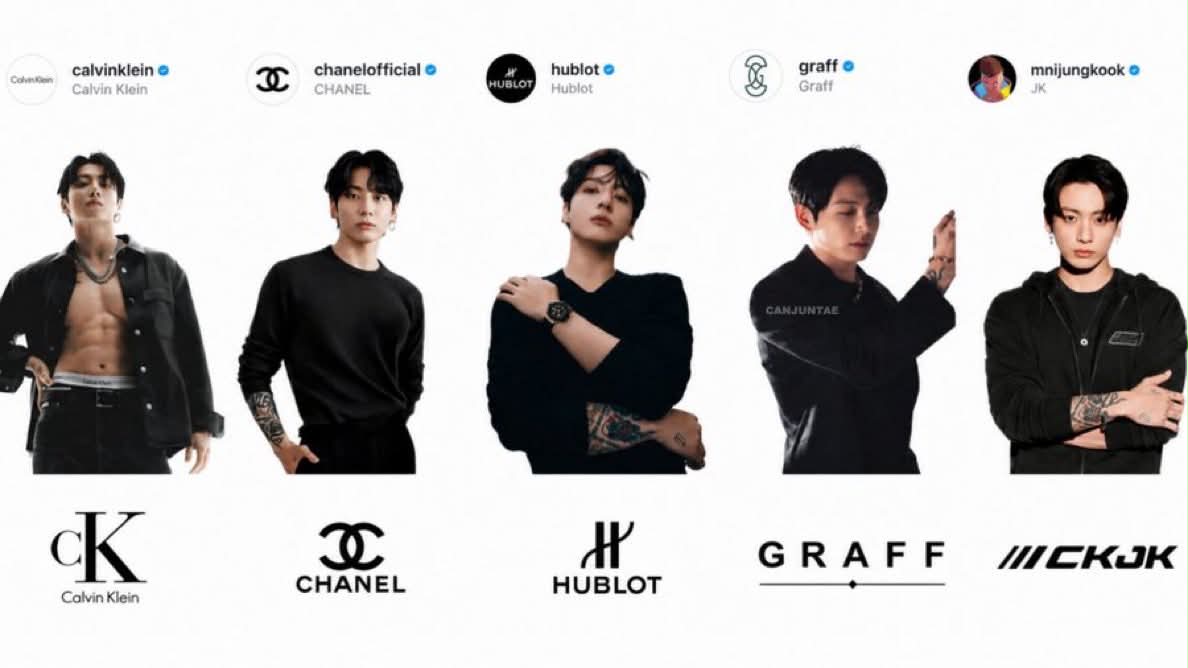
Jung Kook’s influence demonstrates that in today’s economy, trust and authenticity can become strategic business assets. His partnerships with global luxury brands and his role on one of the world’s biggest sporting stages illustrate how culture, commerce and technology now intersect to shape consumer behaviour and economic activity worldwide. For students, educators and business leaders alike, the lesson is clear: the future belongs to those who understand not only markets, but also the power of human connection in creating sustainable brand value.
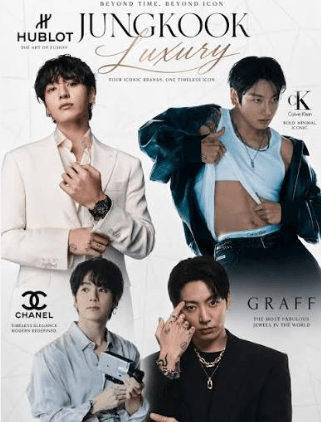
Jung Kook’s collaborations with global brands such as Calvin Klein, Hublot, GRAFF, and Chanel provide valuable lessons in:
✓ Brand equity
✓ Consumer behaviour
✓ Luxury marketing
✓ Digital influence
✓ Global business strategy
From Dreamers to FIFA: Jung Kook’s Historic Global Breakthrough
The FIFA World Cup has always represented more than football. While the tournament is primarily a sporting competition, its economic impact extends across multiple industries, including tourism, hospitality, broadcasting, advertising, sponsorship, merchandise, transportation, and digital media.
The World Cup is one of the few events capable of bringing together billions of people across different cultures, languages, and markets. This global reach makes it one of the most valuable platforms for brands seeking international exposure.
The connection between football and entertainment has grown significantly over the years. Modern sporting events are no longer simply competitions; they are global experiences combining athletics, music, technology, storytelling, and commercial opportunities.
This reflects the concept of the Experience Economy, introduced by Pine and Gilmore (1999), which explains that businesses increasingly compete by creating memorable experiences rather than simply selling products or services.
Jung Kook became part of this global experience when he performed Dreamers at the FIFA World Cup Qatar 2022 Opening Ceremony.
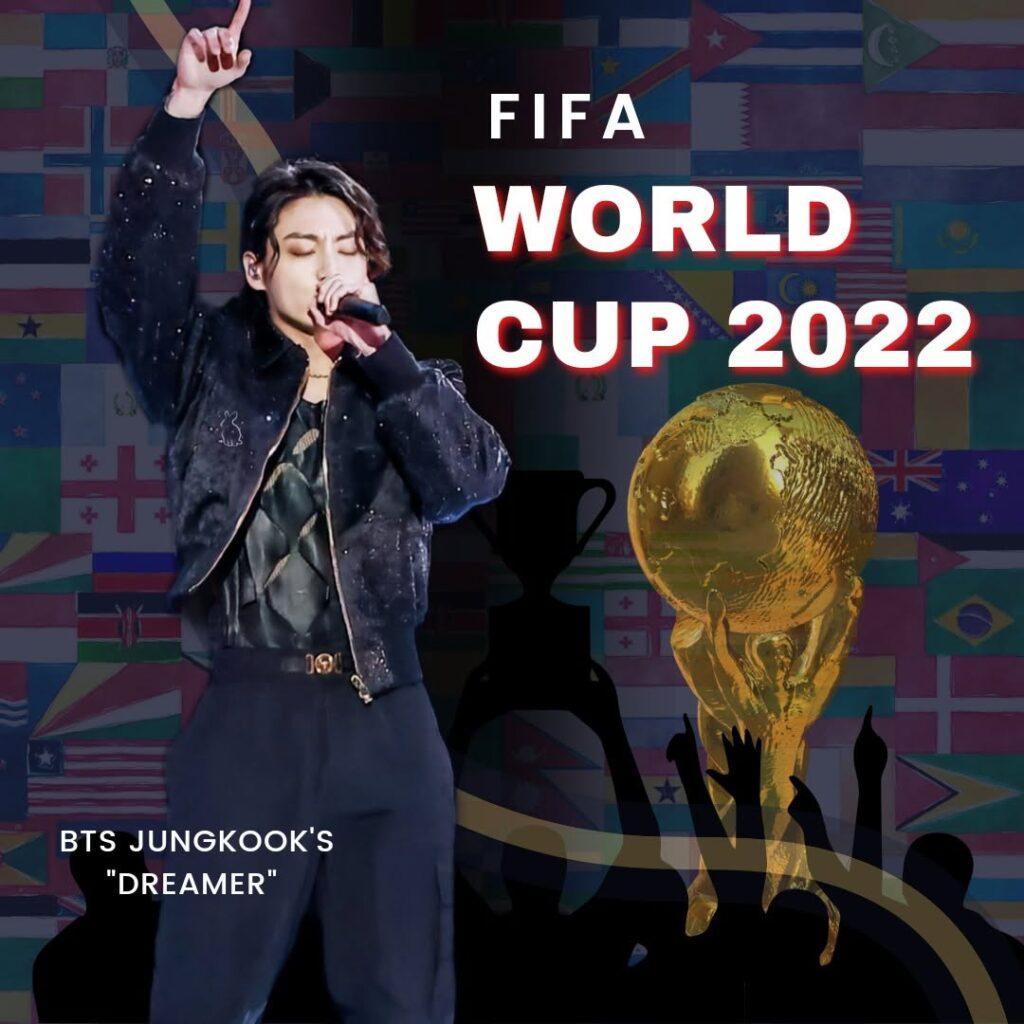
His performance represented a landmark moment for Korean popular culture. As the first BTS member and the first Korean solo artist to perform at a FIFA World Cup opening ceremony, Jung Kook demonstrated how cultural influence could transcend geographical boundaries.
The performance was significant not only because of its artistic achievement but also because it reflected the growing economic importance of Korean cultural exports.
The global popularity of Korean music, entertainment, fashion, beauty, and lifestyle products—commonly known as the Korean Wave or Hallyu—has become a major example of how culture can contribute to economic development.
According to Nye’s (2004) concept of soft power, countries can influence global perceptions through cultural attraction and international appeal. South Korea’s cultural success demonstrates how entertainment can strengthen national reputation while creating economic opportunities for businesses connected to that culture.
Jung Kook’s FIFA appearance therefore represented more than a performance.
It represented the meeting point between culture and commerce.
FIFA World Cup 2026: The Expansion of Sport into the Global Entertainment Economy
The FIFA World Cup 2026 represents a further evolution of how global sporting events create economic value.
The tournament expanded beyond traditional football broadcasting by incorporating broader entertainment experiences, digital engagement, and global cultural participation. The introduction of the FIFA World Cup Final Halftime Show demonstrated the increasing integration between sport and music, similar to how major entertainment events have transformed sporting occasions into global cultural moments.
BTS’ performance at the FIFA World Cup 2026 Final Halftime Show in New York/New Jersey highlighted the continued global influence of Korean entertainment and demonstrated how cultural icons can become central components of international events.
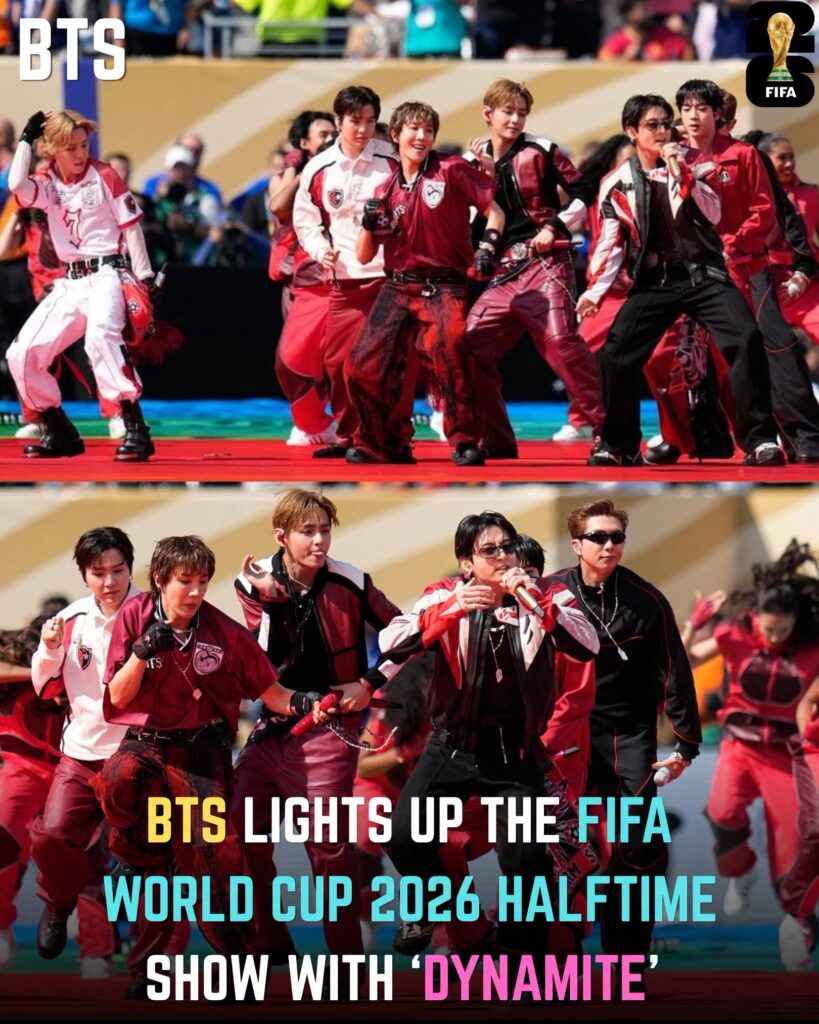
For Jung Kook, this moment carried additional significance.
His FIFA journey evolved from an individual breakthrough in 2022 to a collective global celebration with BTS in 2026. This progression illustrates how personal influence can develop into long-term brand value.
From a business perspective, the significance lies in understanding why companies invest heavily in global cultural moments.
Major events such as the FIFA World Cup generate value through:
- international audiences;
- sponsorship opportunities;
- brand visibility;
- digital conversations;
- merchandise demand;
- tourism activity;
- consumer engagement.
The combination of football and global entertainment creates what can be described as a cultural marketplace, where emotions, identities, and experiences influence economic decisions.
BTS’ presence at such an event demonstrates how entertainment brands can become economic ecosystems. Their influence extends beyond album sales or performances and contributes to wider industries including fashion, advertising, tourism, technology, and retail.
Why Jung Kook Became Valuable to Global Brands
The commercial value of Jung Kook lies in his ability to connect different markets simultaneously.
He represents:
Global appeal
His influence extends across Asia, North America, Europe, and other international markets.
Cross-generational relevance
His audience includes younger consumers while also attracting broader recognition from global audiences.
Authenticity
His public image reflects dedication, creativity, and professionalism.
Cultural influence
He represents the international growth of Korean culture.
For multinational corporations, these qualities provide significant strategic value.
A successful brand ambassador does not merely promote a product.
They transfer meaning.
McCracken’s (1989) Celebrity Endorsement Theory explains that celebrities transfer their cultural meanings to brands. Consumers associate the personality’s qualities with the products they represent.
In Jung Kook’s case, qualities such as achievement, creativity, confidence, and global recognition become connected with the brands he collaborates with.
This explains why his influence extends beyond entertainment.
He has become a bridge connecting consumers, cultures, and businesses.
From Celebrity Endorsement to Strategic Brand Partnership
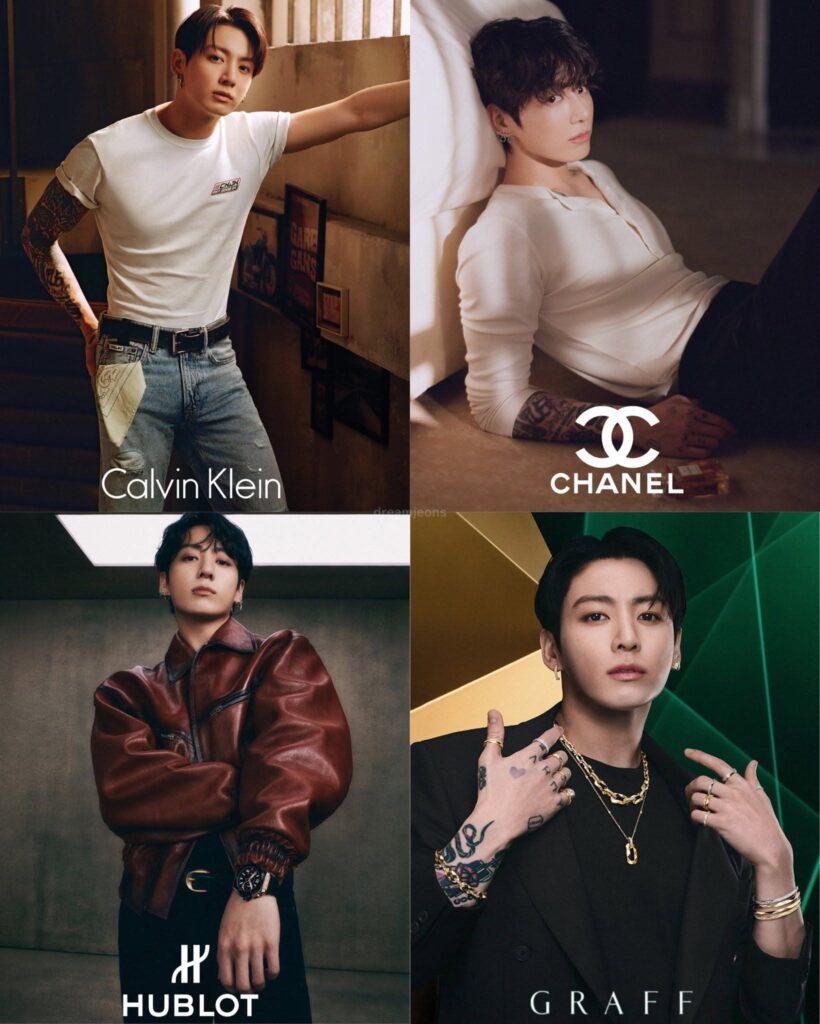
In the past, celebrity endorsements were often viewed as a simple marketing technique: a famous individual appears in an advertisement, consumers recognise the product, and brand awareness increases.
However, the modern business environment has transformed this approach.
Today, global companies are not merely searching for famous faces. They are searching for individuals who can represent their values, influence consumer emotions, and create meaningful connections with audiences across different cultures.
This shift has transformed celebrity endorsement into a strategic business partnership.
Jung Kook represents this new era of global branding. His collaborations with international brands such as Calvin Klein, Hublot, GRAFF, and Chanel demonstrate how personal influence can strengthen brand positioning, expand market reach, and create deeper relationships between businesses and consumers.
From a marketing perspective, Jung Kook functions as more than an ambassador. He acts as a bridge between brands and global communities.
This reflects Keller’s (2013) Customer-Based Brand Equity Model, which explains that strong brands are built when consumers develop positive associations, emotional connections, and loyalty towards them.
When consumers associate a product with a trusted figure, the product gains additional symbolic value.
The consumer is no longer purchasing only a product.
They are purchasing a story, an aspiration, and an identity.
Calvin Klein: Redefining Fashion Through Identity and Authenticity
One of Jung Kook’s most recognised brand partnerships is his collaboration with Calvin Klein.
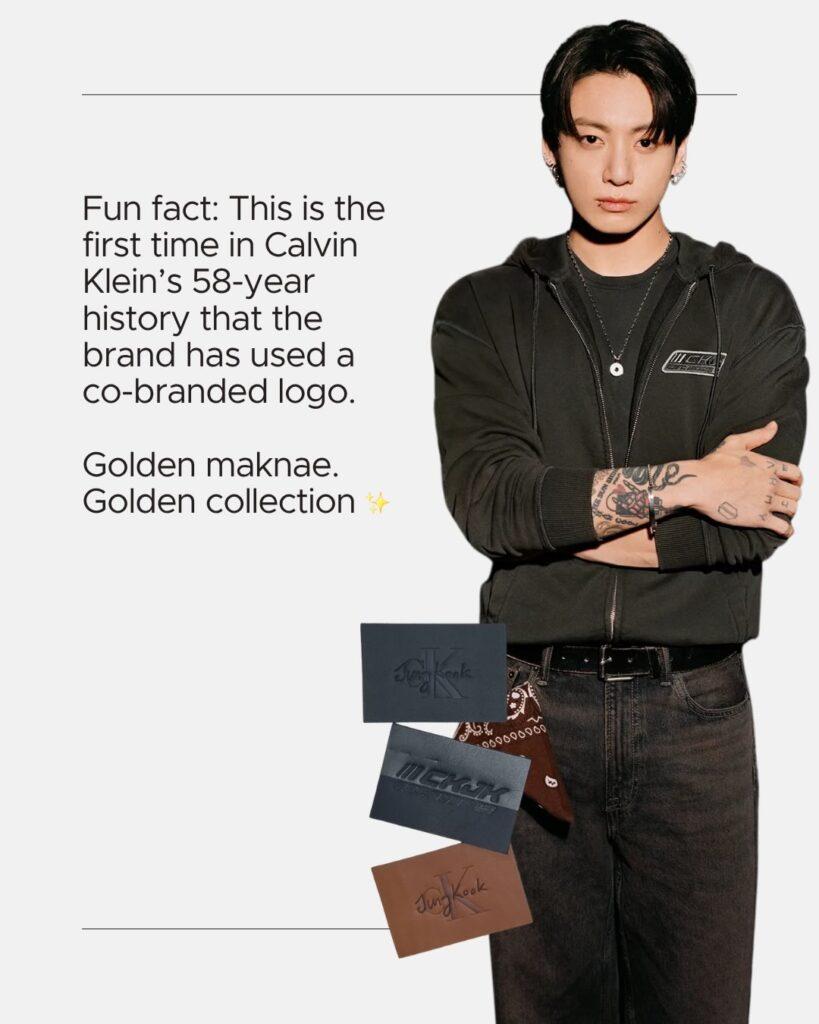
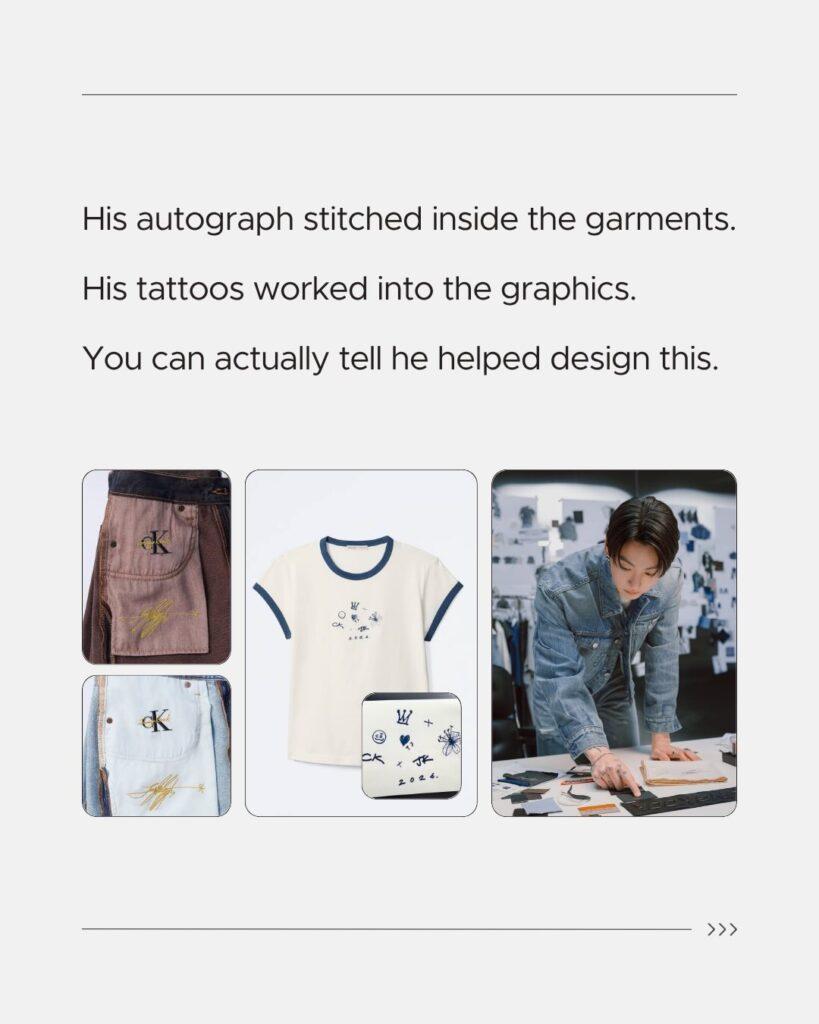
The relationship demonstrates how fashion marketing has evolved from focusing primarily on product features to creating emotional and cultural connections.
Fashion has always been more than clothing.
It represents identity, confidence, lifestyle, and personal expression.
For younger generations especially, purchasing decisions are often influenced by whether a brand reflects their values and the image they aspire to represent.
Jung Kook’s association with Calvin Klein illustrates the importance of brand alignment.
A successful partnership occurs when the personality, values, and image of the ambassador naturally complement the brand.
Calvin Klein has historically positioned itself around concepts such as simplicity, confidence, individuality, and modern expression. Jung Kook’s global image aligns strongly with these characteristics.
His journey from a young performer in South Korea to an internationally recognised artist reflects themes of ambition, self-development, and authenticity.
These qualities strengthen the emotional connection between consumers and the brand.
According to Ohanian’s (1990) Source Credibility Model, celebrity endorsements are more effective when the audience perceives the individual as trustworthy, knowledgeable, and attractive.
Jung Kook’s influence comes not only from recognition but also from credibility.
Consumers do not simply see him as someone promoting fashion.
They see him as someone whose personal journey represents the values associated with the brand.
From a business perspective, this creates significant strategic advantages:
- stronger engagement among younger consumers;
- increased global brand awareness;
- greater digital visibility;
- enhanced cultural relevance.
The partnership demonstrates how fashion companies increasingly compete through emotional storytelling rather than traditional advertising alone.
Hublot: Luxury Watches, Achievement and Aspirational Consumption


The luxury watch industry provides another fascinating example of how Jung Kook’s influence creates business value.
Luxury watches are unique because consumers rarely purchase them purely for functional purposes. A watch tells time, but a luxury watch communicates much more:
- achievement;
- success;
- personal milestones;
- social identity;
- aspiration.
This concept is known as symbolic consumption, where consumers purchase products partly because of the meanings associated with them (Belk, 1988).
Hublot has built its identity around innovation, craftsmanship, and the combination of traditional luxury with modern creativity.
Jung Kook’s global image aligns with this positioning.
His career represents continuous growth, excellence, and international achievement. These qualities mirror the aspirations luxury brands seek to communicate.
The partnership also reflects an important change in luxury marketing.
Historically, luxury brands relied heavily on heritage and exclusivity. Today, they must also remain culturally relevant to younger consumers.
Millennials and Generation Z consumers increasingly value:
- authenticity;
- storytelling;
- personal connection;
- meaningful brand relationships.
By partnering with Jung Kook, luxury brands can connect traditional prestige with contemporary global culture.
The strategic value is clear:
A luxury product gains visibility among new audiences while maintaining its premium positioning.
This demonstrates that modern luxury is not only about exclusivity.
It is also about relevance.
GRAFF: Preserving Luxury While Expanding Global Reach
The luxury jewellery industry operates on principles of rarity, craftsmanship, heritage, and emotional significance.
GRAFF represents one of the highest levels of luxury jewellery, where products are associated with exceptional craftsmanship and exclusivity.
At first glance, luxury jewellery and global pop culture may appear to exist in separate worlds.
However, modern luxury consumers have changed.
Today’s luxury buyers increasingly seek brands that represent personal identity, creativity, and cultural significance.
Jung Kook’s connection with GRAFF demonstrates how traditional luxury houses are adapting to a new generation of consumers. He was chosen as the first ever global ambassador for GRAFF in 66 years of history.
The challenge for luxury brands is balancing two seemingly opposite goals:
- Maintaining exclusivity.
- Increasing global relevance.
Celebrity partnerships provide a solution.
A global ambassador allows luxury brands to communicate their heritage to wider audiences without compromising their premium identity.
Jung Kook’s reputation contributes additional symbolic meaning to the brand.
His association communicates:
- excellence;
- refinement;
- achievement;
- international recognition.
This aligns with the concept of brand association, where consumers develop perceptions about a brand based on the people, experiences, and stories connected to it (Aaker, 1996).
Through strategic partnerships, luxury brands transform products into symbols of aspiration.
Chanel: Emotional Branding and the Power of Storytelling
Among luxury brands, Chanel represents one of the strongest examples of emotional branding.

For decades, Chanel has built its identity around more than products. It represents:
- elegance;
- confidence;
- individuality;
- timeless sophistication.
Modern consumers, however, are increasingly seeking authenticity and emotional connection.
They want to understand the story behind a brand.
This reflects Pine and Gilmore’s (1999) Experience Economy, which argues that businesses succeed when they create memorable experiences rather than simply offering products.
A fragrance, for example, is not simply a combination of ingredients.
It represents mood, identity, memory, and personal expression.
When a globally recognised personality represents a luxury brand, they contribute to the emotional narrative surrounding the product.
Jung Kook’s image adds cultural relevance and connects Chanel with audiences who may engage with the brand through different entry points, including music, fashion, and digital platforms.
This demonstrates how luxury brands increasingly operate within a broader cultural ecosystem.
They are not only selling products.
They are selling experiences and emotions.
The Psychology Behind the Jung Kook Effect
Why do celebrity partnerships create such strong consumer responses?
The answer lies in consumer psychology.
1. Social Proof
According to Cialdini (2009), people often look towards others when making decisions. When millions of individuals show interest in a product or personality, it can influence perceptions of value and popularity.
Global communities surrounding artists such as Jung Kook demonstrate how collective enthusiasm can amplify brand visibility.
2. Emotional Attachment
Consumers often develop emotional relationships with personalities they admire.
This emotional connection can transfer to associated brands.
When consumers purchase products linked to Jung Kook, they may experience a sense of connection with his journey, values, or achievements.
3. Identity and Self-Expression
Brands often function as tools for self-expression.
Consumers use products to communicate:
- who they are;
- what they value;
- what communities they belong to.
This is particularly significant among younger consumers, who often view consumption as an expression of identity.
4. Digital Community Power
The digital economy has transformed audiences from passive consumers into active participants.
Fans and online communities contribute to:
- content sharing;
- discussions;
- brand awareness;
- global visibility.
This creates a powerful form of community-driven marketing.
From Product Promotion to Cultural Influence
The partnerships between Jung Kook and global brands demonstrate a fundamental change in business strategy.
The most successful companies today understand that consumers are not only buying products.
They are buying meaning.
They are attracted to:
- stories;
- experiences;
- values;
- connections.
Jung Kook’s influence demonstrates how personal branding can create economic value across multiple industries.
His journey from FIFA stages to luxury campaigns shows that the modern economy is increasingly shaped by cultural influence.
In the next and final section, we will explore the wider economic impact of the “Jung Kook Effect,” what business students can learn from his global success, and why human connection may become the most valuable business advantage of the future.
The Global Economic Impact of Influence: What Jung Kook Teaches Us About the Future of Business
The Jung Kook Effect: When Personal Branding Becomes Economic Power
The story of Jung Kook demonstrates a significant transformation taking place in the global economy: individual influence has become a form of economic capital.
In previous generations, economic power was largely associated with corporations, physical assets, financial resources, and industrial capacity. Today, the digital economy has created new forms of value based on attention, trust, reputation, and community engagement.
A global personality with a strong personal brand can influence:
- consumer purchasing decisions;
- brand perception;
- cultural trends;
- tourism behaviour;
- digital conversations;
- international business opportunities.
Jung Kook represents this new economic landscape.
His journey from a young artist in South Korea to an internationally recognised cultural figure illustrates how talent, technology, branding, and community can combine to create global economic impact.
The term “Jung Kook Effect” can be understood as the ability of his presence and influence to generate increased awareness, emotional connection, and commercial interest across different industries.
However, this influence is not created overnight.
It is built through years of consistency, authenticity, and trust.
From a business perspective, this reflects the importance of relationship marketing, where organisations create long-term value by developing meaningful relationships with customers rather than focusing only on short-term transactions (Kotler and Keller, 2016).
Jung Kook’s influence demonstrates that modern consumers are not simply attracted to products.
They are attracted to stories, values, and people they trust.
The Ripple Effect Across the Global Economy
The influence of global entertainers extends beyond music and directly contributes to wider economic ecosystems.
1. The Luxury and Fashion Economy
Jung Kook’s partnerships with global luxury brands demonstrate how entertainment and fashion have become increasingly interconnected.
Luxury companies today face a significant challenge:
How can traditional brands remain exclusive while connecting with younger global consumers?
The answer has increasingly been through cultural relevance.
By collaborating with globally recognised personalities, luxury brands gain access to communities that may not traditionally engage with premium products.
These partnerships create value through:
- international brand exposure;
- stronger consumer relationships;
- digital engagement;
- cultural relevance.
The result is a transformation of luxury marketing from product-focused communication into experience-focused storytelling.
2. The Creative Economy and Cultural Exports
Jung Kook’s global success also highlights the economic importance of the creative industries.
The creative economy includes sectors such as:
- music;
- film;
- fashion;
- design;
- digital media;
- entertainment technology.
South Korea’s global cultural influence demonstrates how creative industries can become strategic economic assets.
The success of K-pop illustrates that cultural products can generate value beyond direct revenue.
They can influence:
- tourism;
- consumer goods;
- international perceptions;
- investment opportunities.
Nye’s (2004) concept of soft power explains how cultural influence can strengthen a country’s global position by creating attraction and positive international relationships.
Through global artists such as BTS and Jung Kook, Korean culture has become an important contributor to international economic exchange.
3. The Digital Economy and the Power of Communities
One of the greatest changes in modern business is the rise of digital communities.
Traditional marketing operated mainly through one-way communication:
Companies → Consumers
Today, communication has become interactive:
Companies ↔ Communities
Consumers actively participate by:
- sharing content;
- discussing products;
- creating online communities;
- influencing others.
This has created new opportunities for businesses to build loyalty and engagement.
Jung Kook’s global audience demonstrates the power of community-driven influence.
A highly engaged community can amplify messages faster and more effectively than traditional advertising alone.
For businesses, the lesson is important:
The future of marketing is not only about reaching audiences.
It is about building relationships with communities.
What Business Students Can Learn from Jung Kook’s Global Success
For students studying business, economics, marketing, and entrepreneurship, Jung Kook’s journey provides valuable lessons that extend beyond entertainment.
Lesson 1: Personal Branding Is an Essential Business Skill
In today’s competitive environment, personal branding is no longer limited to celebrities.
Professionals, entrepreneurs, educators, and future leaders must understand how reputation influences opportunities.
A strong personal brand requires:
- authenticity;
- consistency;
- credibility;
- communication;
- emotional intelligence.
Jung Kook’s success demonstrates that a strong reputation becomes an asset that creates opportunities across industries.
For students entering the workforce, developing a professional identity is increasingly important.
Lesson 2: Consumer Behaviour Is Driven by Emotion
Traditional economics often assumes consumers make rational decisions based on price, quality, and function.
However, modern consumer behaviour research demonstrates that emotions strongly influence purchasing decisions.
Consumers often choose brands because they represent:
- identity;
- belonging;
- aspiration;
- personal values.
The relationship between Jung Kook and global consumers illustrates how emotional connection can influence economic behaviour.
Businesses that understand human psychology gain a significant competitive advantage.
Lesson 3: Global Business Requires Cultural Intelligence
Jung Kook’s international success demonstrates the importance of cultural intelligence.
Global companies must understand:
- different consumer expectations;
- cultural preferences;
- international trends;
- digital behaviours.
A successful global brand does not simply export products.
It creates meaningful connections across cultures.
Lesson 4: Innovation Requires Understanding Emerging Markets
The entertainment economy, creator economy, and digital economy represent some of the fastest-growing areas of business.
Future business leaders must understand emerging opportunities involving:
- social media;
- influencer marketing;
- artificial intelligence;
- digital platforms;
- creative entrepreneurship.
The traditional boundaries between industries are disappearing.
Music influences fashion.
Fashion influences consumer identity.
Sport influences tourism.
Technology connects global communities.
Modern business is increasingly interdisciplinary.
Lessons for Educators and Higher Education Institutions
The example of Jung Kook also provides important insights for educators.
Business education must continue evolving to reflect real-world changes.
Students today need opportunities to analyse contemporary examples involving:
- digital marketing;
- global branding;
- entrepreneurship;
- cultural economics;
- consumer psychology;
- international business strategy.
Using examples from popular culture does not reduce academic value.
Instead, it allows students to understand how established business theories operate in real markets.
For example:
Brand Equity Theory explains why Jung Kook strengthens the value of associated brands.
Consumer Behaviour Theory explains why audiences develop emotional connections.
Marketing Strategy Theory explains why companies invest in global ambassadors.
Economic Theory explains how cultural influence creates commercial activity.
When students can connect theory with current examples, learning becomes more meaningful and practical.
The Future of Business: The Power of Human Connection
The journey from Dreamers at the FIFA World Cup Qatar 2022 to BTS’ global presence at the FIFA World Cup 2026 Final demonstrates a major shift in the global economy.
The most successful brands of the future will not compete only through products and pricing.
They will compete through:
- trust;
- authenticity;
- emotional connection;
- cultural relevance;
- meaningful experiences.
Jung Kook’s influence demonstrates that human connection itself has become a valuable economic resource.
His story shows that a person’s ability to inspire, communicate, and build relationships can create value across multiple industries.
From football stadiums to luxury fashion campaigns, his journey represents the intersection of:
- entertainment;
- economics;
- technology;
- branding;
- globalisation.
Conclusion: Beyond Music, Beyond Fame
Jung Kook’s global journey represents more than the success of an individual artist.
It represents the evolution of business itself.
His FIFA performances demonstrated how entertainment can unite audiences across borders. His luxury partnerships demonstrated how personal branding can strengthen global businesses. His influence demonstrated how trust and authenticity can become powerful economic assets.
For students, educators, entrepreneurs, and industry leaders, the lesson is clear:
The future of business belongs to those who understand people.
Markets are not created only through products.
They are created through relationships.
In an economy where attention is one of the most valuable currencies, individuals and organisations that can inspire trust, create emotional connections, and build communities will have the ability to generate lasting value.
Jung Kook’s story is therefore not simply a story about music.
It is a story about branding.
It is a story about economics.
It is a story about the power of human connection in shaping the future of global business.
References
Aaker, D.A. (1996) Building Strong Brands. New York: Free Press.
Belk, R.W. (1988) ‘Possessions and the Extended Self’, Journal of Consumer Research, 15(2), pp.139–168.
Cialdini, R.B. (2009) Influence: Science and Practice. 5th edn. Boston: Pearson.
Davenport, T.H. and Beck, J.C. (2001) The Attention Economy: Understanding the New Currency of Business. Boston: Harvard Business School Press.
Keller, K.L. (2013) Strategic Brand Management: Building, Measuring, and Managing Brand Equity. 4th edn. Harlow: Pearson.
McCracken, G. (1989) ‘Who Is the Celebrity Endorser? Cultural Foundations of the Endorsement Process’, Journal of Consumer Research, 16(3), pp.310–321.