 By Vivian Lee Yao Ting
 🎵 The Opening Beat: Where Music Meets Business
A cookie became a collectible. A sneaker became a statement. A music group became a global economic force.
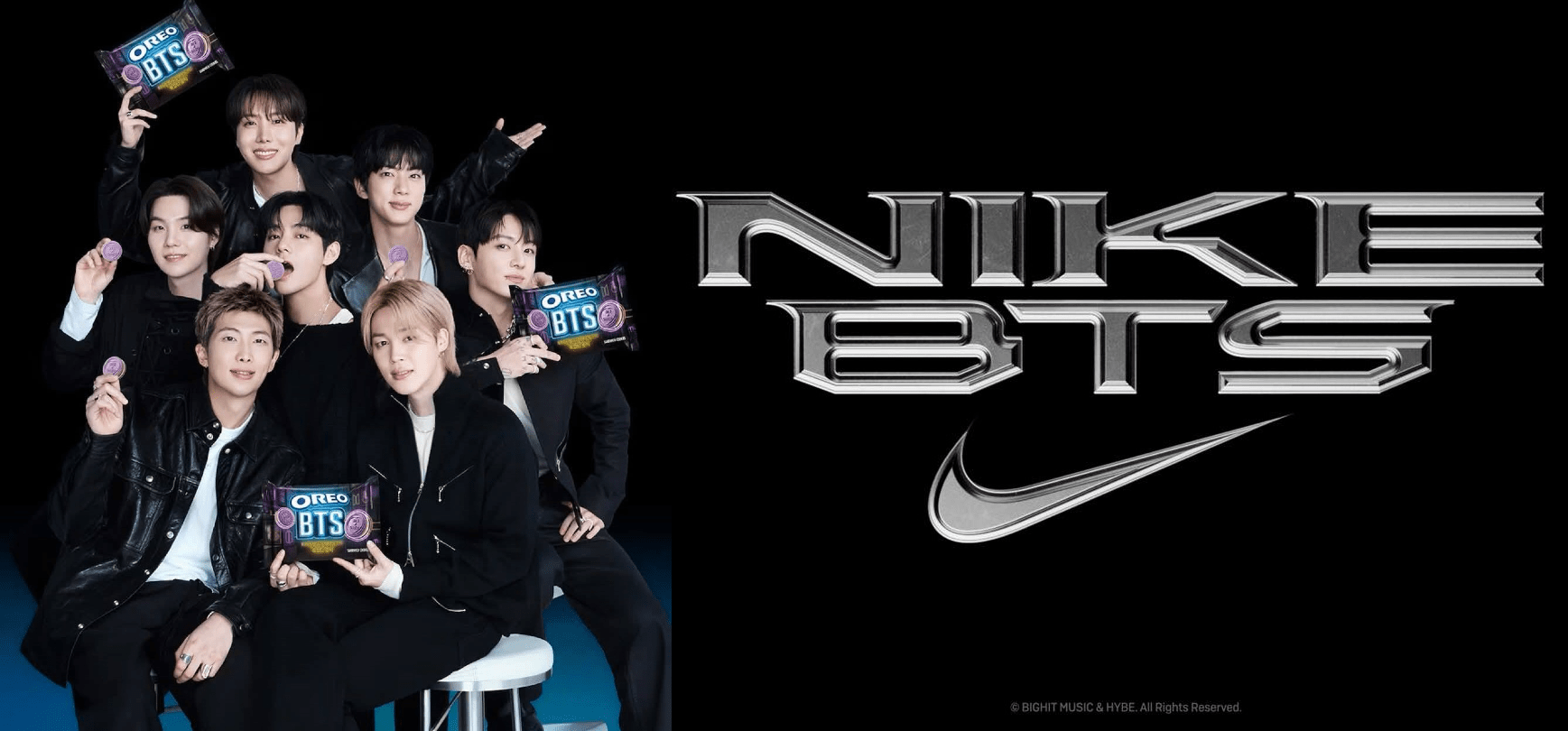
At first glance, these may appear to belong to completely different worlds. A biscuit belongs to the food industry, sneakers belong to fashion and sportswear, and music belongs to entertainment. However, in today’s interconnected global economy, these industries are no longer separate. They are connected through one powerful concept: the economics of attention, experience, and emotional connection.
The recent collaborations involving global K-pop phenomenon BTS with brands such as OREO and Nike demonstrate how modern businesses are moving beyond simply selling products. They are selling stories, identities, communities, and experiences. Each OREO piece in the BTS collaboration reflects the personalities and creativity of BTS members, transforming an ordinary snack into a collectible cultural product. Meanwhile, the BTS and Nike collaboration combines music, fashion, personalisation, and lifestyle branding into one global consumer experience.
For students studying Business, Economics, Marketing, Entrepreneurship, and Creative Industries, BTS is not only a music group. BTS has become a real-world case study of brand management, consumer psychology, international business strategy, innovation, and the creative economy.
For educators, lecturers, academicians, and parents, this phenomenon provides an opportunity to connect classroom theories with real-world examples that young people understand and relate to.
The question is no longer simply: “Why do people buy BTS-related products?”
The bigger question is:
How does a global brand create emotional value that transforms a simple product into an economic movement?
BTS and the New Economics of Branding: Selling More Than a Product
Traditional business thinking often focuses on the basic idea of supply and demand. Companies create products, customers purchase them, and businesses generate profit.
However, the modern economy has changed.
Today’s consumers do not only purchase products because they need them. They purchase products because those products represent something meaningful about who they are, what they believe in, and what communities they belong to.
This is especially visible among younger generations, including university and college students.
A student buying a BTS x OREO product is not simply buying a cookie. They may be buying:
- a connection to BTS,
- a memory,
- a collectible item,
- a sense of belonging,
- participation in a global fan community.
This is known as emotional branding.
Emotional branding occurs when companies build relationships with consumers by connecting products with feelings, values, and personal experiences.
BTS has developed a strong emotional connection with fans worldwide because their brand is not built only around music. Their brand includes storytelling, authenticity, creativity, teamwork, self-expression, and social messages.
Therefore, when BTS collaborates with a company, the collaboration transfers some of these meanings into the product.
The OREO cookie becomes more than food.
The Nike product becomes more than clothing.
They become symbols of culture.
The BTS x OREO Collaboration: A Lesson in Product Innovation and Consumer Behaviour
One of the most interesting examples of modern branding is the BTS collaboration with OREO.
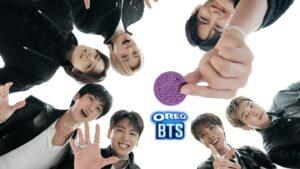

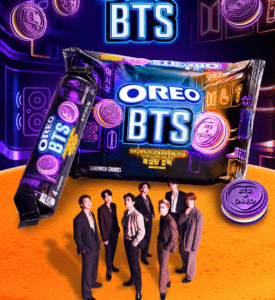
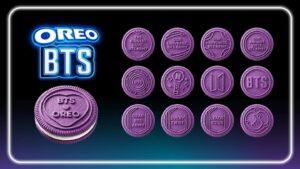
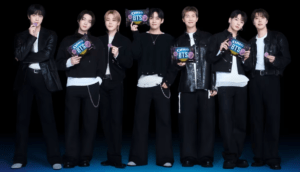
OREO is already one of the world’s most recognisable snack brands. However, even successful brands face challenges. Markets become competitive, consumer preferences change, and younger customers constantly search for new experiences.
A collaboration with BTS allows OREO to refresh its brand image and attract a new generation of consumers.
From a business perspective, this strategy is called brand extension and strategic partnership.
Instead of creating an entirely new product from zero, companies collaborate with another powerful brand to create additional value.
This benefits both sides.
OREO gains access to BTS’s global fanbase.
BTS gains another platform to express creativity beyond music.
The most interesting aspect is the idea that each OREO piece is designed around the creativity and identity of BTS members.
This introduces the concept of personalisation.
In the past, mass production focused on producing thousands or millions of identical products. However, modern consumers increasingly value uniqueness.
Businesses are moving from:
“Here is our product. Please buy it.”
to:
“Here is an experience that allows you to feel connected.”
For business students, this teaches an important lesson:
Innovation does not always mean inventing something completely new.
Sometimes innovation means changing the meaning of an existing product.
A simple cookie can become a cultural experience.
BTS and Nike: The Economics of Lifestyle Branding
The BTS and Nike collaboration demonstrates another important business concept: lifestyle branding.
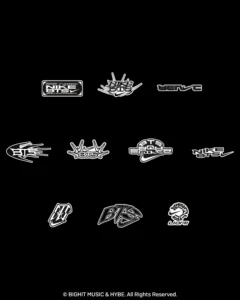
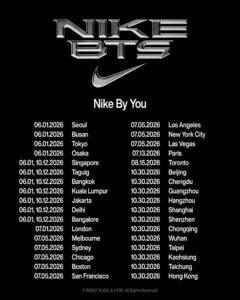
Nike has always positioned itself beyond sports equipment. It does not only sell shoes and clothing. It sells confidence, ambition, achievement, and personal identity.
Similarly, BTS represents creativity, discipline, teamwork, and global connection.
When these two brands collaborate, they create a powerful combination.
The Nike x BTS collaboration around the BTS WORLD TOUR “ARIRANG” includes customised designs and merchandise experiences that blend BTS identity with Nike’s global sportswear image.
This reflects a major trend in the global economy:
The merging of entertainment, fashion, technology, and consumer lifestyle.
For students studying entrepreneurship and business strategy, this shows how companies can create competitive advantage through:
- Strong brand identity
A powerful brand allows businesses to compete beyond price.
- Customer experience
Consumers remember experiences more than advertisements.
- Community building
Successful brands create communities where customers feel connected.
- Cultural relevance
Brands that understand cultural trends remain competitive.
The K-pop Economy: How Music Became a Global Business Industry
The rise of BTS represents the growth of the global creative economy.
The creative economy includes industries based on creativity, knowledge, and cultural production, such as:
- music,
- film,
- fashion,
- gaming,
- digital content,
- design,
- tourism.
K-pop demonstrates how culture can become an economic force.
The success of K-pop creates jobs not only for singers and performers but also for:
- producers,
- dancers,
- graphic designers,
- video editors,
- event organisers,
- marketing specialists,
- translators,
- technology companies,
- tourism businesses.
This provides important lessons for college and university students.
The future economy will increasingly require people who can combine creativity with business knowledge.
A marketing student who understands fan communities has an advantage.
An entrepreneurship student who understands digital trends has an advantage.
A business graduate who understands global culture has an advantage.
BTS World Tour and Global Economic Impact
Large-scale entertainment events create significant economic activity.
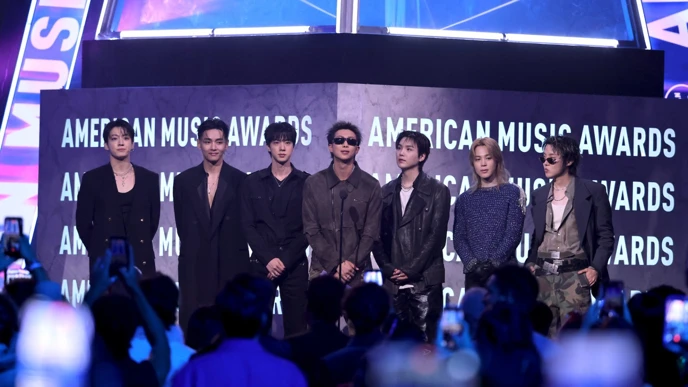
A global BTS world tour can influence multiple industries:
1. Tourism Industry
Fans travel internationally for concerts.
They spend money on:
- flights,
- hotels,
- restaurants,
- transportation,
- shopping.
Cities hosting concerts can experience increased economic activity.
2. Hospitality Industry
Hotels and restaurants benefit from visitors.
Local businesses often prepare special promotions connected to major events.
3. Digital Economy
Concerts generate demand for:
- streaming platforms,
- online content,
- merchandise platforms,
- digital payments.
4. Employment Opportunities
Events require thousands of workers, including:
- event managers,
- security teams,
- technical crews,
- marketing professionals.
For Malaysia and other Asian economies, the growth of cultural tourism presents opportunities to develop stronger creative industries.
Universities can prepare students by offering programmes and projects related to:
- event management,
- digital marketing,
- entrepreneurship,
- international business.
BTS and FIFA World Cup 2026: The Future of Entertainment Economics
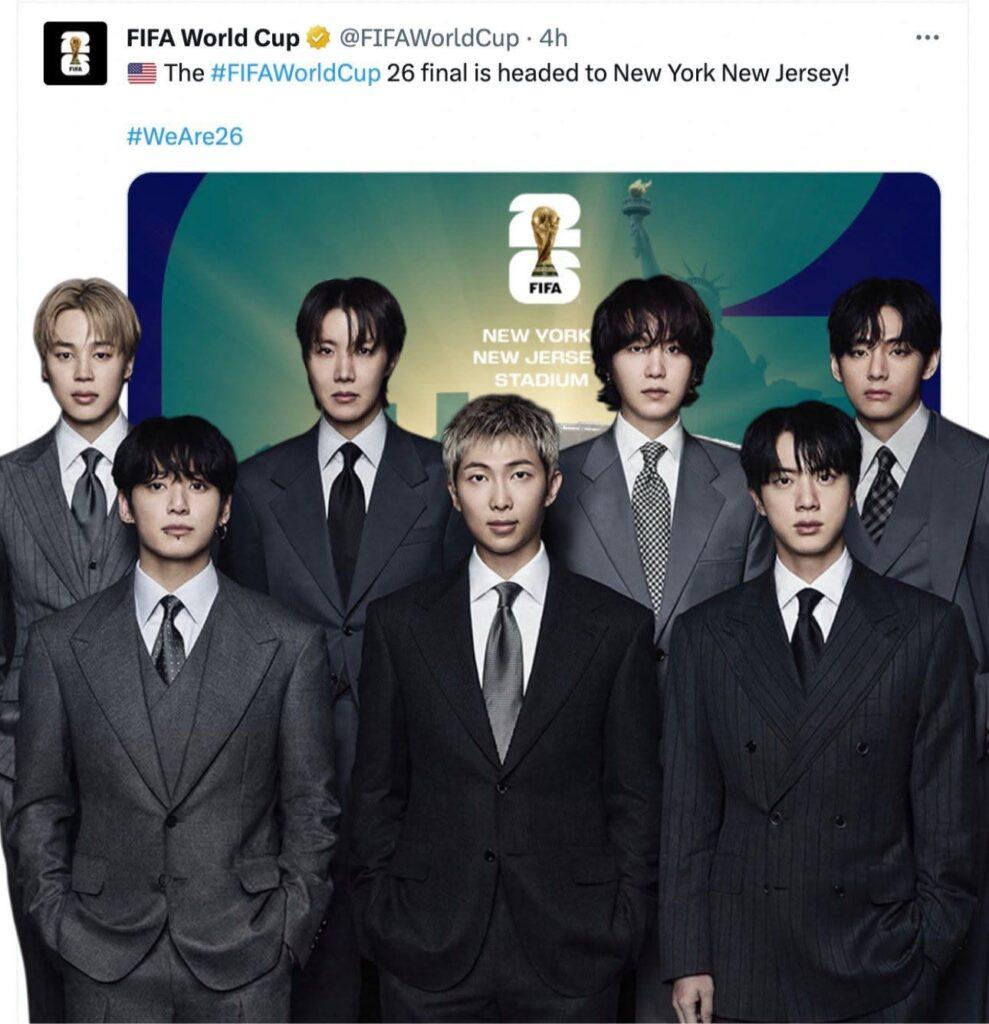
The announcement of BTS performing at the FIFA World Cup 2026 Final Halftime Show represents another milestone in the relationship between sports, entertainment, and business.
The FIFA World Cup is not only a sporting event.
It is one of the largest global platforms for:
- advertising,
- tourism,
- broadcasting,
- sponsorship,
- cultural exchange.
By bringing global music icons into the tournament environment, FIFA demonstrates how modern events combine different industries to create a larger experience.
For economics students, this creates a valuable case study.
The World Cup generates economic value through:
- media rights,
- sponsorship deals,
- merchandise,
- tourism spending,
- global marketing.
When BTS appears on this stage, the impact goes beyond music.
It demonstrates the power of cultural exports.
South Korea’s entertainment industry has become a significant contributor to its global image and economy.
Lessons for Educators and Lecturers: Turning Pop Culture into Learning



Some educators may wonder:
“Can K-pop really be used in business education?”
The answer is yes.
Modern education becomes more effective when students can connect theories with real-life examples.
A lecturer teaching Marketing can use BTS collaborations to explain:
- branding,
- segmentation,
- consumer behaviour,
- promotion strategies.
An Economics lecturer can discuss:
- supply and demand,
- globalisation,
- creative industries,
- international trade.
An Entrepreneurship lecturer can explore:
- innovation,
- partnerships,
- customer value creation.
The purpose is not to teach students about celebrities.
The purpose is to use familiar examples to make academic concepts meaningful.
When students see how classroom theories operate in the real world, learning becomes more engaging.
Lessons for Parents: Understanding the New Generation Economy
Parents may sometimes view fandom culture as simple entertainment.
However, modern fan communities are also examples of:
- digital communities,
- consumer behaviour,
- global communication,
- entrepreneurship.
Young people today participate in a global economy that operates differently from previous generations.
They communicate internationally, support global brands, and understand digital trends.
Instead of dismissing these interests, parents can use them as opportunities to discuss:
- financial responsibility,
- entrepreneurship,
- career opportunities,
- creative industries.
The future workforce will not only require technical skills.
It will require creativity, adaptability, and cultural awareness.
Conclusion: The Future Belongs to Brands That Create Meaning
The story of BTS, OREO, Nike, and global events like the FIFA World Cup shows that business is no longer only about selling products.
It is about creating meaning.
A cookie can become a memory.
A pair of shoes can become an identity.
A concert can become an economic movement.
For students, educators, parents, and business leaders, the lesson is clear:
The future economy will belong to organisations that understand people.
The most successful brands will not simply ask:
“What can we sell?”
They will ask:
“How can we create value, connection, and experiences that people remember?”
BTS demonstrates that creativity and business are not separate worlds.
They are powerful partners shaping the future of the global economy.
References
BTS, 2026. BTS Official Website and Global Activities. Available at: https://ibighit.com/bts/ (Accessed: 4 July 2026).
FIFA, 2026. Madonna, Shakira and BTS to Co-Headline Historic FIFA World Cup 2026 Final Halftime Show. Available at: https://www.fifa.com (Accessed: 4 July 2026).
Kotler, P., Keller, K.L. and Chernev, A., 2022. Marketing Management. 16th ed. Harlow: Pearson Education.
Nike, 2026. Nike and BTS Introduce BTS WORLD TOUR “ARIRANG” Merch and Nike By You Experience. Available at: https://about.nike.com (Accessed: 4 July 2026).
UNCTAD, 2024. Creative Economy Outlook: Trends and Opportunities. Geneva: United Nations Conference on Trade and Development.
World Economic Forum, 2023. The Future of Jobs Report. Geneva: World Economic Forum.
Yoo, B. and Donthu, N., 2001. “Developing and validating a multidimensional consumer-based brand equity scale.” Journal of Business Research, 52(1), pp.1–14.