 By Jasmine Lim
Basketball has changed dramatically over the last two decades, and much of that transformation can be seen in the difference between Generation Y (Millennials) and Generation Z players. Generation Y athletes, born roughly between 1981 and 1996, grew up during an era where basketball was physical, structured, and heavily dependent on traditional coaching methods. Players such as LeBron James, Kobe Bryant, and Dwyane Wade represent the mentality of that generation. In contrast, Generation Z players—born from around 1997 onward—entered basketball in a digital world filled with social media, advanced analytics, and positionless basketball. Athletes like Ja Morant, Anthony Edwards, and Victor Wembanyama showcase a very different style and mindset.
Although both generations are talented, five major differences explain why Generation Z basketball players appear so different from Generation Y players.
-
Basketball Playing Style and Pace
One of the biggest differences lies in how the game is played. Generation Y players developed during a period where basketball emphasized physicality, mid-range scoring, and half-court offense. Coaches valued fundamentals such as post moves, defensive toughness, and disciplined offensive sets. Big men were expected to dominate near the basket, while guards focused more on passing and controlling tempo.
Generation Z players, however, grew up in the era of fast-paced basketball and three-point shooting. Modern players are trained to shoot from long distance at an early age, regardless of height or position. Today’s centers often dribble like guards, while guards are encouraged to take deep shots confidently. The influence of players such as Stephen Curry changed how young athletes view offense. Instead of slowing the game down, Gen Z players prefer speed, spacing, and creativity.
This shift also reflects the rise of analytics in basketball. Coaches and teams now prioritize efficient scoring, especially three-pointers and layups, over contested mid-range shots. As a result, Generation Z athletes are more versatile and offensive-minded than many Generation Y players were at the same age.
-
Technology and Training Methods
Generation Y players trained in a much more traditional environment. Most learned through school coaches, local gyms, and repetitive drills. Film study existed, but access to advanced training resources was limited. Young athletes often relied on personal experience and word-of-mouth coaching advice.
Generation Z players have grown up surrounded by technology. They can watch professional highlights instantly on platforms like YouTube and analyze training videos from elite coaches online. Many players now use apps, wearable devices, and performance tracking systems to improve their game. Shooting mechanics, movement efficiency, and even sleep patterns can be monitored scientifically.
Social media also accelerates skill development. A teenager in Malaysia can study the footwork of Kyrie Irving or the shooting form of Klay Thompson within seconds. Exposure to global basketball styles allows Generation Z athletes to learn faster and become more creative than previous generations.
-
Mentality and Personal Branding
Generation Y players were taught to focus mainly on team success and organizational loyalty. Public image mattered, but players had fewer opportunities to control their own narratives. Traditional media outlets such as television and newspapers shaped public perception.
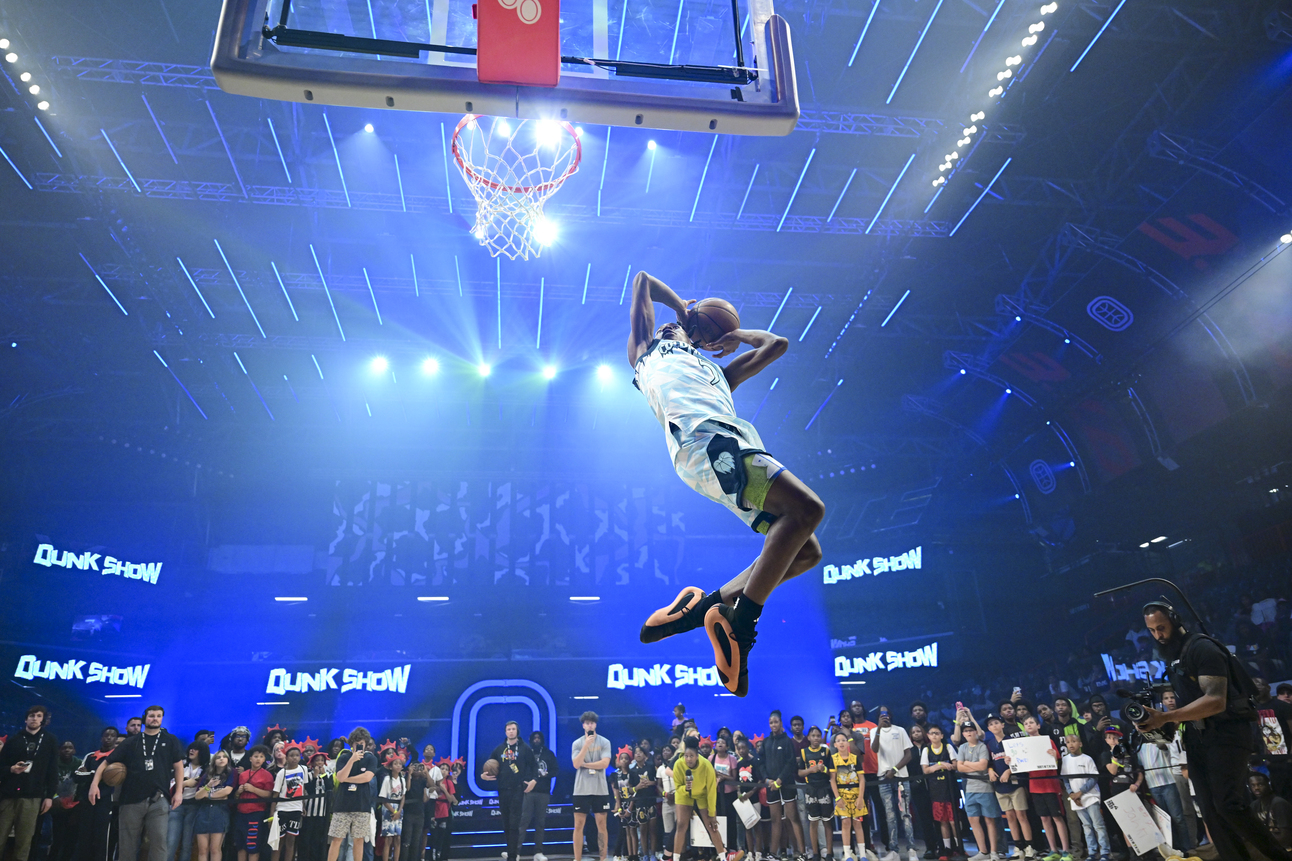
Generation Z players operate in a completely different environment. Social media platforms such as Instagram and TikTok allow athletes to build personal brands independently. Young players today are not only athletes but also influencers and entertainers. They communicate directly with fans, post highlights instantly, and market themselves globally.
Because of this, Generation Z athletes often appear more expressive and confident. Celebrations, fashion, and online personalities are now important parts of basketball culture. Some older fans interpret this confidence as arrogance, but for Gen Z players, self-expression is normal. They grew up in an era where visibility and branding are closely tied to career opportunities.
-
Positionless Basketball
Generation Y basketball followed more traditional roles. Point guards handled the ball, shooting guards scored, small forwards attacked the wing, power forwards rebounded, and centers stayed near the basket. Coaches generally expected players to specialize in one position.
Generation Z players are raised in a system that values versatility. Today, many coaches encourage athletes to develop all-around skills regardless of height. A seven-foot player may practice three-point shooting and ball handling, while smaller guards are expected to rebound and defend multiple positions.
This evolution is visible in stars such as Nikola Jokić and Giannis Antetokounmpo, who helped redefine positional expectations. Younger athletes now model their games after versatile superstars instead of rigid positional archetypes.
As a result, Generation Z players are often more flexible and unpredictable. Teams increasingly value players who can switch defensively, create offense, and adapt quickly during games.
-
Global Influence and Cultural Diversity
Generation Y players grew up when basketball was still largely dominated by American culture. International players existed, but the NBA’s global reach was smaller than it is today. Young athletes outside the United States had fewer opportunities for exposure and development.
Generation Z players are part of a truly global basketball generation. International stars now influence the sport just as much as American players. Athletes from Europe, Africa, and Asia regularly enter elite competitions at young ages. The internet has connected basketball cultures worldwide, blending styles from different countries into one modern game.
Players today are exposed to international coaching philosophies, streetball creativity, and professional-level training much earlier. This creates a more diverse and innovative basketball environment. The rise of global stars like Luka Dončić and Victor Wembanyama demonstrates how worldwide talent is reshaping the sport.
Conclusion
Generation Z basketball players differ from Generation Y players because the world around them has changed. Advances in technology, analytics, social media, and globalization have transformed how basketball is taught, played, and consumed. While Generation Y athletes emphasized toughness, structure, and traditional roles, Generation Z players prioritize versatility, speed, creativity, and personal expression.
Neither generation is necessarily better than the other; they simply reflect the eras in which they grew up. Basketball continues to evolve, and each generation leaves its own mark on the game. What remains constant, however, is the passion, competitiveness, and dedication required to succeed at the highest level.