By Kong Lan Phang
Internship is an important milestone for diploma students in private colleges. It provides an opportunity to apply classroom knowledge in real workplace settings, develop professional skills, and gain valuable industry exposure. However, success during internship does not depend only on academic knowledge. Students must also demonstrate the right behaviour and positive attitudes to create a strong impression and gain meaningful learning experiences.
Understanding the Imp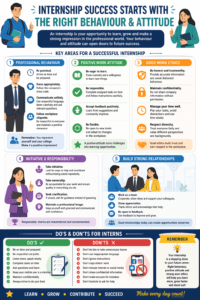 ortance of Professional Behaviour
Professional behaviour is one of the most important qualities expected from interns. When students enter the workplace, they represent not only themselves but also their college. Employers expect interns to behave responsibly, respectfully, and professionally at all times.
Punctuality is a . Arriving at work on time shows discipline and respect for the organization. Habitual lateness can create a negative impression and may affect the company’s trust in the intern. Similarly, students should follow workplace rules, dress appropriately according to company standards, and maintain proper workplace etiquette.
Communication skills also play an important role in professional behaviour. Interns should communicate politely with supervisors, colleagues, and customers. Listening carefully, asking relevant questions, and responding respectfully help build positive working relationships. Students should avoid using informal language, slang, or inappropriate jokes in the workplace.
Developing a Positive Work Attitude
Attitude determines how well students adapt to workplace challenges. A positive attitude shows willingness to learn, accept feedback, and contribute to the team. Internship is a learning experience, and students are not expected to know everything. Therefore, showing curiosity and eagerness to learn new skills is highly valued by employers.
Interns should also demonstrate responsibility. This means completing assigned tasks on time, following instructions carefully, and seeking clarification when necessary. If mistakes occur, students should admit them honestly and learn from the experience rather than making excuses.
Flexibility is another important attitude. In many workplaces, interns may be asked to perform different tasks outside their usual expectations. Being open to new experiences helps students gain broader knowledge and shows teamwork spirit.
Practising Good Work Ethics
Work ethics refer to the values that guide how employees behave in the workplace. Strong work ethics help interns gain respect and trust from supervisors and colleagues.
One important aspect of work ethics is honesty. Interns must provide accurate information, record work correctly, and avoid dishonest behaviour such as falsifying attendance or copying work from others. Confidentiality is also essential. Students may handle sensitive company information, and sharing such information without permission is strictly prohibited.
Time management is another important work ethic. Interns should plan their daily tasks effectively and avoid wasting time on personal matters such as excessive phone usage or social media during working hours. Managing time well helps increase productivity and reduces stress.
Respecting workplace diversity is also essential. Interns may work with colleagues from different backgrounds, cultures, and age groups. Treating everyone with respect helps maintain a positive working environment.
Demonstrating Initiative and Responsibility
Employers appreciate interns who show initiative. This means taking proactive steps without waiting to be told repeatedly. For example, interns can offer assistance to colleagues when tasks are completed or suggest simple improvements when appropriate.
Taking responsibility for assigned work is equally important. Students should review their work carefully before submission and ensure that tasks are completed accurately. If unclear about instructions, interns should seek guidance rather than guessing.
Maintaining a professional image is also part of responsibility. This includes proper grooming, maintaining a neat appearance, and showing confidence in communication. A professional image helps build credibility and trust in the workplace.
Building Strong Relationships in the Workplace
Internship provides an excellent opportunity to build professional networks. Establishing good relationships with supervisors and colleagues can lead to future job opportunities and references.
Students should practise teamwork by cooperating with colleagues and contributing to group tasks. Showing appreciation for assistance and acknowledging others’ contributions creates a supportive work environment.
Receiving feedback positively is another important skill. Supervisors may provide comments to help interns improve. Instead of feeling discouraged, students should view feedback as a chance to learn and grow.
Conclusion
Internship is more than just a course requirement; it is a valuable stepping stone toward future employment. Diploma students in private colleges must understand that success during internship depends largely on behaviour, attitude, and work ethics. By demonstrating professionalism, maintaining a positive attitude, practising strong work ethics, and building good workplace relationships, students can maximize their internship experience and prepare themselves for successful careers.