 By Diana Lia Anak Muling
 Daily Strategies to Support Children with Special Needs at Home and Childcare Centers
Daily strategies to support children with special needs are essential for helping them grow, learn, and thrive in both home and childcare environments. Children with special needs require consistent, structured, and compassionate support to develop their physical, emotional, social, and cognitive abilities.
When parents and caregivers work together using practical daily strategies, children feel safer, more confident, and better prepared to reach their full potential. This article provides clear, practical, and evidence-based guidance for supporting children with special needs in everyday life.
📌 Table of Contents
-
Understanding Children with Special Needs
-
Creating Daily Routines for Children with Special Needs
-
Effective Communication Strategies
-
Supportive Home and Childcare Environments
-
Daily Learning Activities for Children with Special Needs
-
Positive Behaviour Support Strategies
-
Collaboration Between Parents and Caregivers
-
Conclusion
1. Understanding Children with Special Needs
Children with special needs may experience developmental delays, learning difficulties, communication challenges, or behavioural differences. These may include autism spectrum disorder (ASD), ADHD, speech and language delays, sensory processing difficulties, or global developmental delays.
Understanding the child’s individual strengths and challenges is the foundation of daily strategies to support children with special needs. Parents and caregivers should:
-
Observe the child’s daily behaviour and responses
-
Understand professional assessments or therapy reports
-
Recognise that every child develops at their own pace
A child-centred approach ensures support strategies are meaningful and effective.
2. Creating Daily Routines for Children with Special Needs
Consistent routines are one of the most effective daily strategies to support children with special needs. Predictable schedules help children feel secure and reduce anxiety.
Practical Routine Strategies:
-
Set consistent times for waking up, meals, play, and rest
-
Use visual schedules with pictures or symbols
-
Give advance warnings before changing activities
Daily routines help children understand expectations and improve emotional regulation.
Daily strategies to support children with special needs using visual routines
3. Effective Communication Strategies
Clear communication is critical when implementing daily strategies to support children with special needs. Many children benefit from simplified language and visual cues.
Communication Tips:
-
Use short, clear sentences
-
Give one instruction at a time
-
Use gestures, pictures, or sign language if needed
-
Praise efforts, not just results
Positive communication builds trust and encourages participation.
4. Supportive Home and Childcare Environments
A supportive environment plays a major role in the success of daily strategies to support children with special needs.
Environment Setup:
-
Reduce excessive noise and visual distractions
-
Create safe, open spaces for movement
-
Provide a calm corner for emotional regulation
Children with sensory sensitivities benefit greatly from environments designed with their needs in mind.
5. Daily Learning Activities for Children with Special Needs
Learning should be integrated naturally into daily routines. Effective daily strategies to support children with special needs focus on play-based and hands-on activities.
Suggested Activities:
-
Fine motor: drawing, puzzles, playdough
-
Gross motor: ball play, jumping, walking
-
Sensory play: sand, water, textured materials
Activities should be adapted to the child’s ability level and interests.
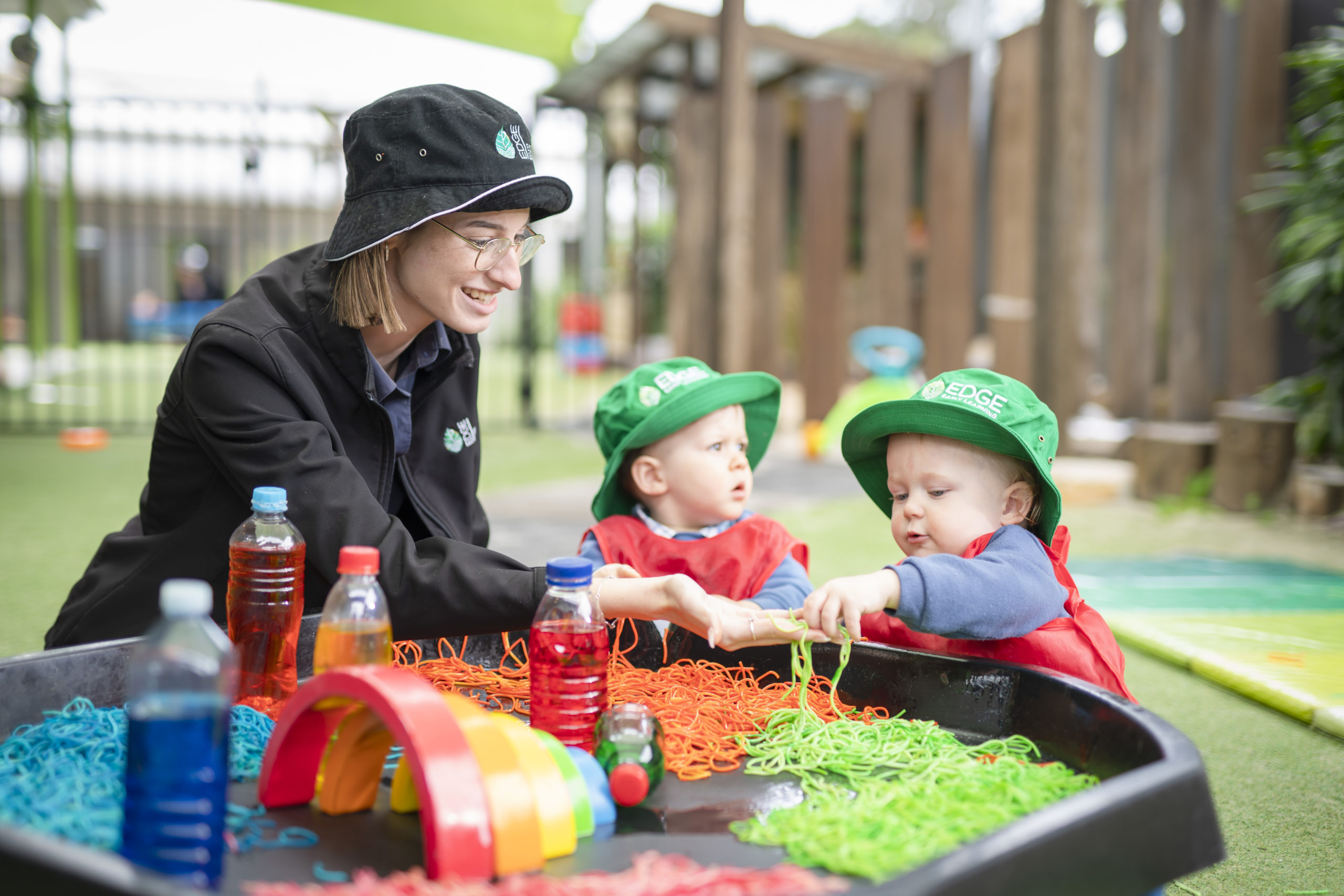
Daily strategies to support children with special needs through sensory activities
6. Positive Behaviour Support Strategies
Positive behaviour support is an essential part of daily strategies to support children with special needs. Children respond best to encouragement rather than punishment.
Behaviour Support Techniques:
-
Set clear and simple rules
-
Use positive reinforcement
-
Stay calm during challenging behaviours
-
Teach alternative ways to express emotions
Consistent positive guidance helps children develop self-control and emotional awareness.
7. Collaboration Between Parents and Caregivers
Strong collaboration ensures consistency in daily strategies to support children with special needs across different environments.
Collaboration Practices:
-
Share daily progress and observations
-
Use similar behaviour and communication strategies
-
Hold regular discussions about the child’s development
When home and childcare centers work together, children experience smoother transitions and better outcomes.
Daily strategies to support children with special needs through collaboration

8. Conclusion
Implementing daily strategies to support children with special needs requires patience, consistency, and understanding. With structured routines, positive communication, supportive environments, and strong collaboration, children with special needs can develop confidence, independence, and essential life skills.
Every small effort made daily contributes to long-term growth and well-being. By working together, parents and caregivers can create meaningful experiences that empower children to thrive.