 By Jasmine Lim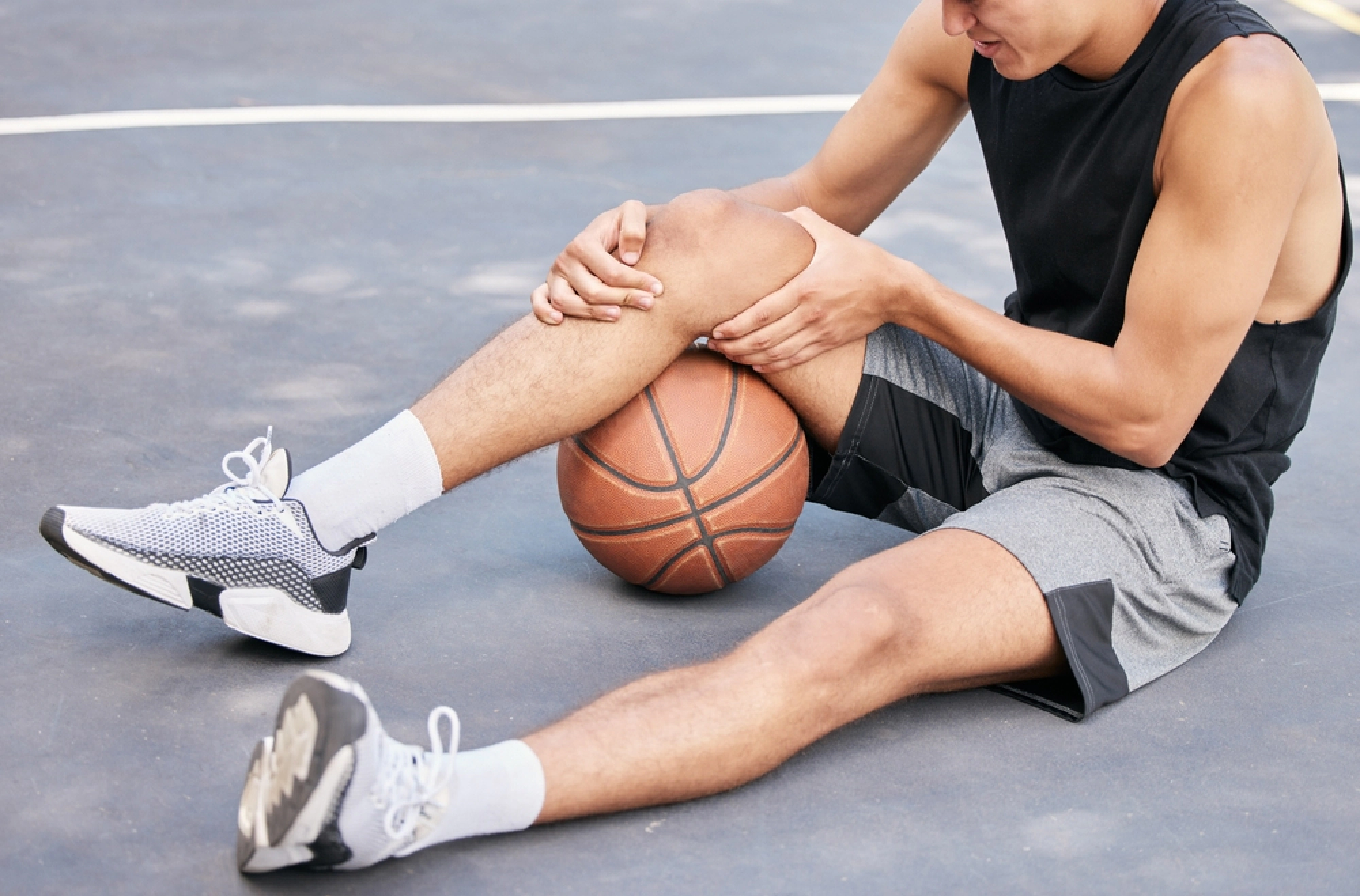
Basketball is a fast-paced, high-intensity sport that demands speed, agility, and endurance. Players constantly sprint, jump, and change direction, putting significant stress on their muscles. One common problem athletes face during a game is muscle cramps—sudden, involuntary contractions that can disrupt performance and even force a player out of the match. Fortunately, muscle cramps are largely preventable with proper preparation and habits. This article explores four effective methods to help basketball players avoid muscle cramps and stay at peak performance.
-
Stay Properly Hydrated
Hydration is one of the most critical factors in preventing muscle cramps. During a basketball game, players lose fluids through sweat, especially in hot or humid conditions. When the body becomes dehydrated, it also loses essential electrolytes like sodium, potassium, and magnesium, which are vital for proper muscle function.
To avoid cramps, players should start hydrating well before the game begins. Drinking water throughout the day—not just during the match—is key. About 2–3 hours before playing, athletes should consume a good amount of fluids, followed by smaller amounts closer to game time. During the match, taking short water breaks whenever possible helps maintain fluid balance.
In longer or more intense games, sports drinks can be beneficial because they replenish both fluids and electrolytes. However, they should be used wisely to avoid excessive sugar intake. After the game, rehydrating is equally important to support recovery and prevent delayed cramps.
-
Perform Proper Warm-Up and Stretching
Skipping a warm-up is one of the fastest ways to increase the risk of muscle cramps. A proper warm-up prepares the muscles for the physical demands of basketball by increasing blood flow, improving flexibility, and enhancing coordination.
A good warm-up should include light aerobic activity such as jogging or skipping for 5–10 minutes, followed by dynamic stretching. Dynamic stretches—like leg swings, lunges, and arm circles—help activate the muscles without overstretching them.
After the warm-up, players can include sport-specific drills such as dribbling, shooting, and quick directional movements. This ensures that the muscles are fully prepared for the intensity of the game.
Static stretching (holding a stretch for a longer time) is more suitable after the game during the cool-down phase. This helps relax the muscles and reduces the likelihood of cramps later on.
-
Maintain Proper Nutrition for Basketball Players
What players eat plays a significant role in preventing muscle cramps. Muscles require the right balance of nutrients to function efficiently, and deficiencies can lead to cramping during intense activity.
Electrolytes such as potassium, calcium, and magnesium are especially important. Foods rich in these nutrients include bananas, oranges, spinach, dairy products, nuts, and whole grains. Incorporating these into daily meals helps maintain proper muscle function.
Carbohydrates are also essential because they provide the energy needed for high-intensity play. Without enough energy, muscles fatigue more quickly, increasing the risk of cramps. Eating a balanced meal 2–3 hours before a game—containing carbohydrates, protein, and a small amount of healthy fats—can significantly improve performance.
Avoiding excessive caffeine and processed foods is also advisable, as they can contribute to dehydration and electrolyte imbalance.
-
Build Strength and Endurance Through Training
Muscle cramps are often linked to fatigue. When muscles become overly tired, they are more likely to contract uncontrollably. Therefore, improving overall fitness is a powerful way to reduce the risk of cramps.
Regular strength training helps muscles become more resilient and less prone to fatigue. Exercises such as squats, lunges, and calf raises strengthen key muscle groups used in basketball. Core training is equally important, as it supports balance and stability during movement.
Endurance training, including running, interval training, and full-court drills, helps the body adapt to prolonged physical activity. The better conditioned a player is, the less likely their muscles will cramp under pressure.
Additionally, players should listen to their bodies. Overtraining without adequate rest can lead to fatigue and increase the risk of cramps. Proper recovery, including rest days and sufficient sleep, is essential for maintaining muscle health.

Conclusion
Muscle cramps can be a frustrating and painful experience during a basketball match, but they are largely preventable with the right approach. By staying hydrated, performing proper warm-ups, maintaining a balanced diet, and building strength and endurance, players can significantly reduce their risk of cramping.
Consistency is the key. These methods are most effective when practiced regularly, not just on game day. Basketball demands peak physical performance, and taking care of your body ensures you can perform at your best from the first whistle to the final buzzer.