 By Diana Lia Anak Muling
Common Diseases Affecting Children Today and How to Prevent Them
Common diseases affecting children today are a growing concern for parents, educators, and childcare providers. Children, especially those attending childcare centres such as TASKA, are more exposed to infectious diseases due to close contact, developing immune systems, and shared environments.
Understanding these diseases and learning how to prevent them is essential to ensure children remain healthy, safe, and able to learn effectively both at home and in childcare settings.
📌 Table of Contents
-
Why Children Are More Vulnerable to Diseases
-
Common Diseases Affecting Children Today
-
Respiratory Infections in Children
-
Hand, Foot and Mouth Disease (HFMD)
-
Gastrointestinal Infections
-
Skin and Eye Infections
-
Prevention Strategies for Common Childhood Diseases
-
Role of Parents and Childcare Providers
-
Conclusion
1. Why Children Are More Vulnerable to Diseases
Children are more susceptible to illnesses because their immune systems are still developing. In group settings such as TASKA, exposure to germs increases through shared toys, close interaction, and limited hygiene awareness.
These factors contribute significantly to the spread of common diseases affecting children today, especially infectious illnesses.
2. Common Diseases Affecting Children Today
There are several common diseases affecting children today that parents and educators should be aware of. Early identification helps prevent complications and reduces the spread of infection.
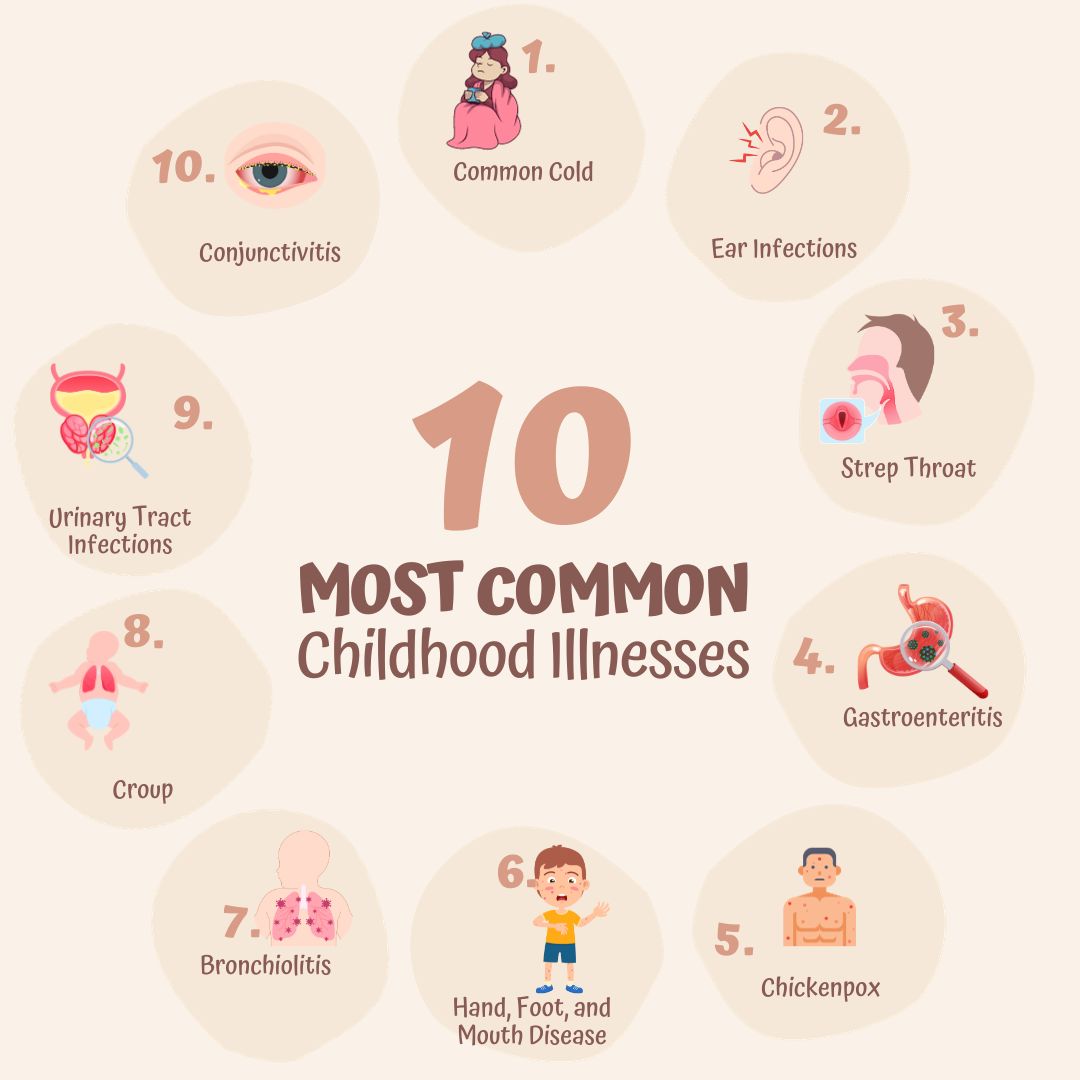
Alt text: Common diseases affecting children today in childcare settings
3. Respiratory Infections in Children
Respiratory infections are among the most common diseases affecting children today.
Examples Include:
-
Common cold
-
Influenza (flu)
-
Upper respiratory tract infections (URTI)
Symptoms may include fever, cough, runny nose, sore throat, and fatigue.
Prevention:
-
Encourage regular handwashing
-
Teach children to cover coughs and sneezes
-
Keep sick children at home
👉 External resource (DoFollow):
https://www.cdc.gov/flu/highrisk/children.htm
(Centers for Disease Control and Prevention – Influenza in Children)
4. Hand, Foot and Mouth Disease (HFMD)
HFMD is one of the most common diseases affecting children today, particularly in childcare centres.
Common Symptoms:
-
Fever
-
Mouth ulcers
-
Rashes on hands and feet
Prevention:
-
Disinfect toys and surfaces regularly
-
Avoid close contact during outbreaks
-
Practice strict hygiene routines
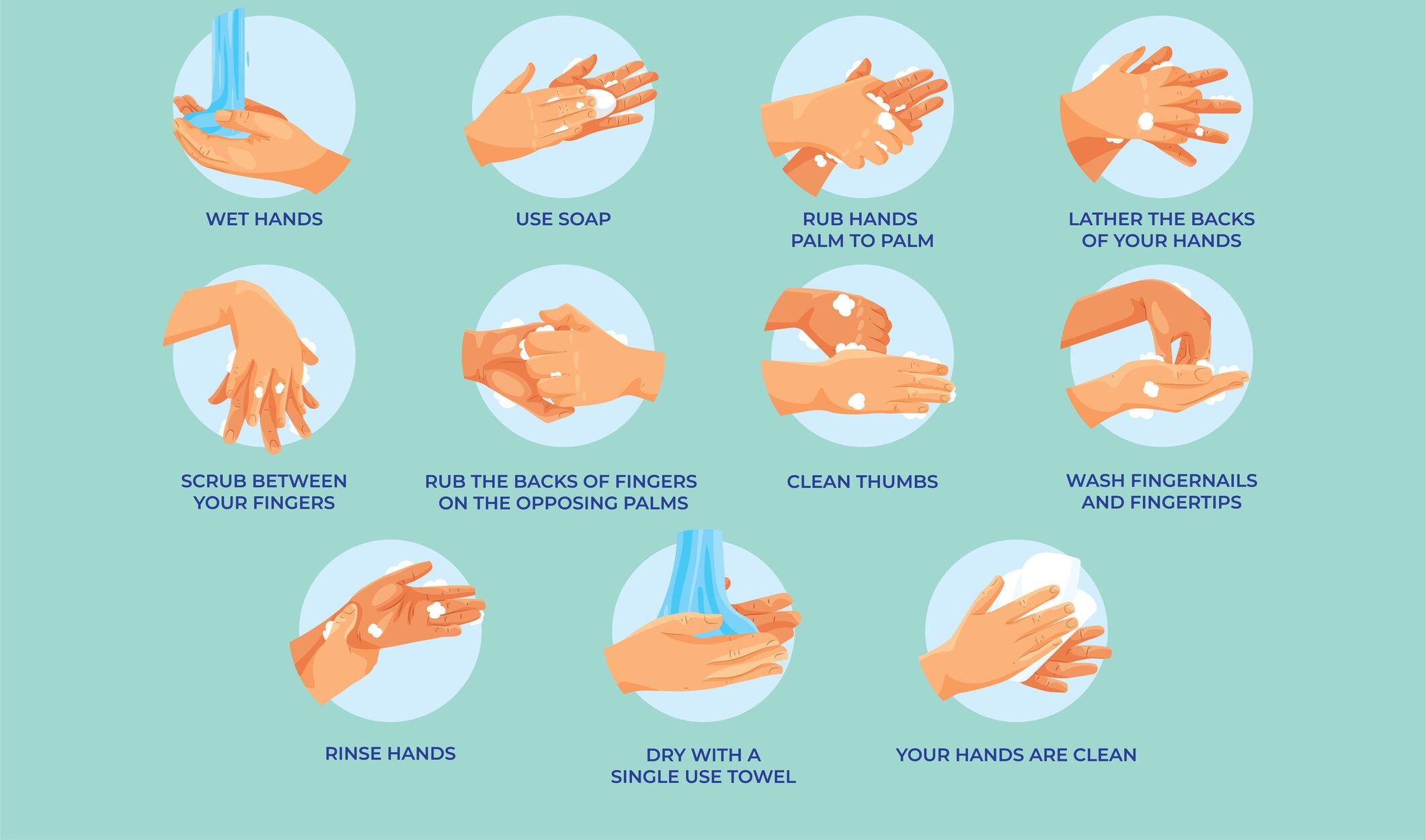
Alt text: Common diseases affecting children today prevented through hygiene
👉 External resource (DoFollow):
https://www.who.int/news-room/fact-sheets/detail/hand-foot-and-mouth-disease
(Hand-washing Steps Using the WHO Technique)
5. Gastrointestinal Infections
Stomach-related illnesses are also common diseases affecting children today.
Examples:
-
Viral gastroenteritis
-
Food poisoning
Symptoms include vomiting, diarrhea, stomach pain, and dehydration.
Prevention:
-
Ensure safe food handling
-
Clean eating utensils properly
-
Encourage children to wash hands before meals
6. Skin and Eye Infections
Skin and eye infections spread easily among children and are considered common diseases affecting children today.
Examples:
-
Conjunctivitis (pink eye)
-
Impetigo
-
Fungal infections
Prevention:
-
Do not share personal items
-
Maintain personal hygiene
-
Clean bedding and towels regularly
👉 External resource (DoFollow):
https://www.nhs.uk/conditions/conjunctivitis/
(👁️ Eye infections are incredibly common, and some can be serious if ignored.)
7. Prevention Strategies for Common Childhood Diseases
Preventing common diseases affecting children today requires consistent daily practices.
Key Prevention Strategies:
-
Maintain proper hand hygiene
-
Ensure complete immunisation
-
Keep environments clean and ventilated
-
Encourage balanced nutrition and adequate rest
These strategies significantly reduce the risk of illness.
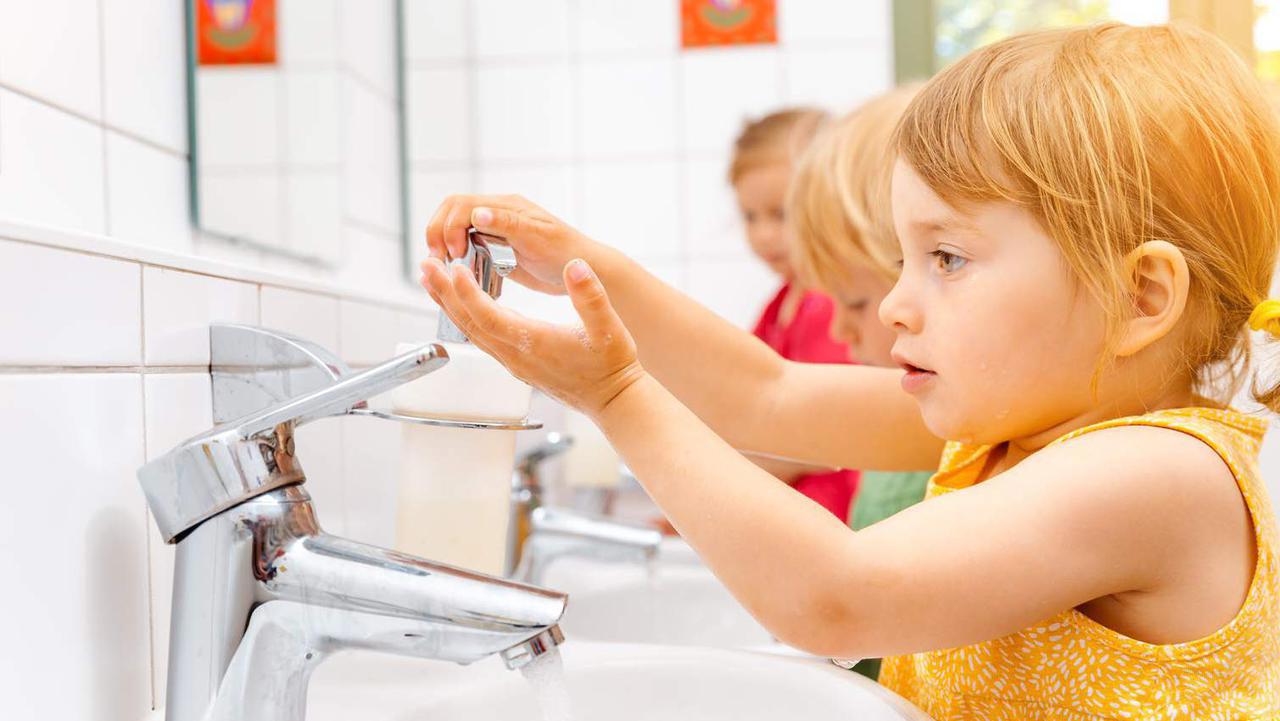
Alt text: Common diseases affecting children today prevented through daily hygiene
8. Role of Parents and Childcare Providers
Parents and childcare providers share responsibility in preventing common diseases affecting children today.
Collaborative Roles:
-
Monitor children’s health daily
-
Communicate symptoms early
-
Enforce illness exclusion policies
-
Educate children about hygiene habits
👉 Internal link example:
Related article: Children’s Behaviour at TASKA and Home
(/childrens-behaviour-at-taska-and-home)
Strong collaboration ensures children receive consistent care and protection.
9. Conclusion
Common diseases affecting children today can be effectively managed and prevented through awareness, hygiene practices, and strong cooperation between parents and childcare providers. Early prevention not only protects children’s health but also supports uninterrupted learning and development.
By implementing preventive strategies consistently, we create safer and healthier environments for children both at home and in childcare settings.