 By Diana Lia Anak Muling
 Introduction
Signs of Burnout in Working Mothers are becoming more common in today’s fast-paced world. Many mothers juggle career responsibilities, childcare, and household duties, often neglecting their own well-being.
Recognizing these signs early is essential to prevent long-term emotional and physical exhaustion.
👉 Related reading: importance of early childhood education (internal link)
👉 Related reading: managing stress as a working mother (internal link)
Table of Contents
- Chronic Exhaustion
- Increased Irritability
- Lack of Motivation
- Sleep Problems
- Emotional Detachment
- Feeling Overwhelmed
- Health Issues
- Reduced Productivity
- Loss of Joy
- How to Recover Fast
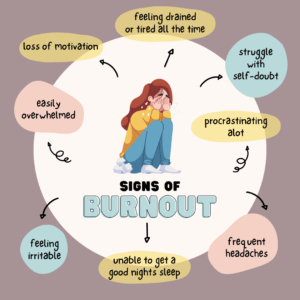
Signs of Burnout in Working Mothers
1. Chronic Exhaustion
Chronic Exhaustion is one of the earliest and most common Signs of Burnout in Working Mothers. It is not just normal tiredness after a long day, but a deep and ongoing sense of physical and mental fatigue that does not improve even after rest.
Working mothers often experience this because they are constantly balancing multiple roles at the same time—employee, caregiver, homemaker, and emotional supporter for their family.
💡 What Chronic Exhaustion Feels Like
- Feeling tired all the time, even after sleep
- Waking up with no energy or motivation
- Difficulty focusing at work or at home
- Feeling physically “drained” throughout the day
- Needing more effort for simple daily tasks
⚠️ Why It Happens
Chronic exhaustion happens when the body and mind are under long-term stress without enough recovery time. In working mothers, this is often caused by:
- Overloaded work schedules
- Lack of proper rest or sleep
- Emotional pressure from parenting responsibilities
- No personal time for self-care
🧠 Impact on Daily Life
When chronic exhaustion continues, it can affect:
- Work performance and productivity
- Emotional patience with children
- Decision-making ability
- Physical health and immunity
🌿 How to Manage It
To reduce chronic exhaustion, working mothers can:
- Take short breaks during the day (even 5–10 minutes helps)
- Prioritize quality sleep at night
- Share responsibilities with partner or family
- Reduce unnecessary tasks or commitments
- Practice simple relaxation techniques like deep breathing
2. Increased Irritability
Increased Irritability is another major Signs of Burnout in Working Mothers that often appears when stress levels become too high. It is when a mother becomes easily annoyed, frustrated, or emotionally reactive over small or simple matters that normally would not be a problem.
This happens because constant pressure from work and family responsibilities reduces emotional patience and mental tolerance.
💡 What Increased Irritability Looks Like
- Feeling easily annoyed by small mistakes
- Losing patience quickly with children or partner
- Reacting emotionally over minor issues
- Feeling “on edge” most of the time
- Struggling to stay calm in stressful situations
⚠️ Why It Happens
This condition is often caused by emotional overload and lack of recovery time. Common triggers include:
- Ongoing work pressure and deadlines
- Lack of sleep or poor rest quality
- Continuous multitasking without breaks
- Emotional exhaustion from parenting demands
- No personal time for relaxation
🧠 Impact on Family and Work
If not managed properly, increased irritability can lead to:
- Communication breakdown at home
- Conflicts with spouse or children
- Reduced work performance and focus
- Feelings of guilt after emotional outbursts
- Strained relationships with loved ones
🌿 How to Manage It
Working mothers can reduce irritability by:
- Practicing deep breathing or mindfulness techniques
- Taking short emotional breaks during stressful moments
- Improving sleep routine and rest quality
- Talking openly with partner or family about stress
- Setting realistic daily expectations
3. Lack of Motivation
Lack of Motivation is a significant Signs of Burnout in Working Mothers where a mother begins to feel unmotivated to do daily tasks, whether at work, at home, or in parenting responsibilities. Things that once felt meaningful or enjoyable may start to feel like a burden.
This emotional state often develops gradually due to long-term stress, emotional fatigue, and lack of personal fulfillment.
💡 What Lack of Motivation Feels Like
- Feeling “lazy” or unwilling to start tasks
- Losing interest in work or hobbies
- Procrastinating even important responsibilities
- Feeling emotionally disconnected from goals
- Struggling to stay consistent with routines
⚠️ Why It Happens
Lack of motivation is usually linked to mental and emotional overload. Common causes include:
- Long-term stress without proper recovery
- Sleep deprivation and physical exhaustion
- Feeling unappreciated at work or home
- Repetitive daily routines without personal time
- Emotional burnout from continuous responsibility
🧠 Impact on Daily Life
When motivation drops, it can affect many areas of life:
- Work performance becomes less efficient
- Household tasks are delayed or ignored
- Parenting energy and involvement may decrease
- Increased feelings of guilt and frustration
- Reduced sense of personal achievement
🌿 How to Manage It
Working mothers can slowly rebuild motivation by:
- Breaking tasks into small, manageable steps
- Setting realistic daily goals instead of perfection
- Rewarding small achievements
- Taking short breaks to reset mentally
- Reconnecting with personal interests or hobbies
4. Sleep Problems
Sleep Problems are a serious Signs of Burnout in Working Mothers where mothers struggle to get proper, quality sleep even when they are physically exhausted. This can include difficulty falling asleep, frequent waking during the night, or waking up still feeling tired.
Poor sleep affects both physical health and emotional stability, making daily responsibilities even more challenging.
💡 What Sleep Problems Look Like
- Difficulty falling asleep at night
- Waking up multiple times during sleep
- Feeling tired even after 7–8 hours of rest
- Racing thoughts before bedtime
- Waking up too early and unable to go back to sleep
⚠️ Why It Happens
Sleep problems often occur due to mental overload and stress. Common causes include:
- Constant worrying about work and family responsibilities
- High stress levels and emotional exhaustion
- Irregular sleep schedule due to childcare needs
- Screen time before bed (phone, laptop, TV)
- Lack of relaxation before sleeping
🧠 Impact on Daily Life
When sleep is disrupted for a long time, it can lead to:
- Low energy throughout the day
- Reduced concentration and productivity
- Increased emotional sensitivity and irritability
- Weakened immune system
- Higher risk of long-term burnout
🌿 How to Manage It
Working mothers can improve sleep quality by:
- Creating a consistent sleep schedule
- Reducing screen time 1 hour before bed
- Practicing relaxation techniques (deep breathing, meditation)
- Avoiding heavy thinking or work tasks at night
- Drinking warm, calming drinks like herbal tea
5. Emotional Detachment
Emotional Detachment is one of the deeper Signs of Burnout in Working Mothers where a mother begins to feel emotionally disconnected from her children, partner, or even her daily responsibilities. It is not that she does not care, but she becomes emotionally “numb” due to prolonged stress and exhaustion.
This condition often develops slowly when emotional energy is completely drained.
💡 What Emotional Detachment Feels Like
- Feeling emotionally “empty” or numb
- Lack of interest in conversations with family
- Reduced emotional response to children’s needs
- Feeling like you are “just going through routines”
- Difficulty expressing love or affection
⚠️ Why It Happens
Emotional detachment usually happens when the mind is overwhelmed for a long period. Common causes include:
- Chronic stress from work and parenting
- Lack of emotional support from partner or family
- Continuous exhaustion without recovery time
- Suppressing emotions for too long
- Feeling unappreciated or unsupported
🧠 Impact on Family Relationships
If not addressed, emotional detachment can lead to:
- Weak mother-child bonding
- Miscommunication with partner
- Children feeling emotionally neglected
- Increased feelings of loneliness in the mother
- Long-term relationship strain
🌿 How to Manage It
Working mothers can rebuild emotional connection by:
- Spending small but meaningful quality time with children
- Talking openly about feelings with trusted people
- Practicing self-compassion and emotional awareness
- Taking breaks to recharge mentally and emotionally
- Seeking support when feeling overwhelmed
6. Feeling Overwhelmed
Feeling Overwhelmed is one of the most common Signs of Burnout in Working Mothers where daily responsibilities start to feel unmanageable. Even simple tasks may feel too heavy when emotional, physical, and mental pressure build up at the same time.
This condition often makes mothers feel like they are “drowning” in endless responsibilities without enough time or energy to cope.
💡 What Feeling Overwhelmed Feels Like
- Feeling like there is “too much to do” all the time
- Difficulty prioritizing daily tasks
- Constant worry about unfinished responsibilities
- Feeling mentally “stuck” or unable to think clearly
- Easily stressed even by small demands
⚠️ Why It Happens
This emotional state usually happens when demands exceed personal capacity. Common causes include:
- Balancing work deadlines and childcare duties
- Lack of rest and recovery time
- Poor time management due to overload
- Absence of proper support system
- Continuous multitasking without breaks
🧠 Impact on Daily Life
If not managed, feeling overwhelmed can lead to:
- Decision fatigue and poor focus
- Increased anxiety and stress levels
- Reduced productivity at work and home
- Emotional breakdown or burnout episodes
- Difficulty enjoying family time
🌿 How to Manage It
Working mothers can reduce this feeling by:
- Breaking tasks into small, manageable steps
- Prioritizing urgent vs non-urgent responsibilities
- Using planners or digital scheduling tools
- Asking for help from partner or family members
- Taking short mental breaks throughout the day
7. Health Issues
Health Issues are one of the serious Signs of Burnout in Working Mothers where prolonged stress and exhaustion begin to affect the body physically. When the mind is constantly under pressure, the body eventually shows warning signals that should not be ignored.
These health problems are often subtle at first but can become more serious if burnout continues without proper recovery.
💡 What Health Issues May Look Like
- Frequent headaches or migraines
- Muscle pain, especially in the neck and shoulders
- Feeling weak or easily tired
- Digestive problems (stomach discomfort, loss of appetite)
- Getting sick more often due to low immunity
⚠️ Why It Happens
Health issues occur when the body is under continuous stress without enough rest and recovery. Common causes include:
- Chronic stress from work and parenting duties
- Poor sleep quality over a long period
- Lack of proper nutrition or irregular meals
- Emotional exhaustion affecting physical health
- No time for exercise or self-care
🧠 Impact on Daily Life
If ignored, these health issues can seriously affect a mother’s life:
- Reduced energy to care for children and family
- Lower productivity at work
- Increased medical expenses and doctor visits
- Emotional instability due to physical discomfort
- Long-term risk of chronic illnesses
According to World Health Organization, chronic stress is strongly linked to both mental and physical health deterioration if not managed early.
🌿 How to Manage It
Working mothers can protect their health by:
- Getting regular medical check-ups
- Eating balanced and nutritious meals
- Drinking enough water daily
- Engaging in light physical activity (walking, stretching)
- Taking breaks to reduce stress and improve recovery
8. Reduced Productivity
Reduced Productivity is one of the clear Signs of Burnout in Working Mothers where a mother begins to struggle with completing tasks efficiently at work and at home. Tasks that were once manageable may now take longer, feel confusing, or require more effort than usual.
This is not a lack of ability, but rather a result of mental and emotional exhaustion affecting focus and performance.
💡 What Reduced Productivity Looks Like
- Difficulty concentrating on tasks
- Taking longer time to complete simple work
- Frequent mistakes or forgetfulness
- Struggling to organize daily responsibilities
- Feeling mentally “slow” or unfocused
⚠️ Why It Happens
Reduced productivity usually occurs when the brain is overloaded and lacks recovery time. Common causes include:
- Ongoing stress from work and family responsibilities
- Lack of quality sleep and rest
- Emotional exhaustion from multitasking
- Too many tasks with no clear priorities
- Mental fatigue from constant decision-making
🧠 Impact on Daily Life
When productivity decreases, it can affect many areas:
- Work performance and job satisfaction
- Increased pressure from deadlines
- Stress from unfinished household tasks
- Lower confidence and self-esteem
- Feeling of failure or frustration
🌿 How to Manage It
Working mothers can improve productivity by:
- Prioritizing tasks using a daily to-do list
- Focusing on one task at a time (avoid multitasking)
- Taking short breaks to refresh the mind
- Setting realistic goals instead of perfection
- Using planning tools or calendars
A helpful digital tool is Google Calendar to organize daily routines more effectively.
9. Loss of Joy
Loss of Joy is one of the deepest Signs of Burnout in Working Mothers where a mother no longer feels happiness or excitement in activities that used to bring meaning, such as spending time with children, hobbies, work achievements, or social interactions.
This emotional state is often a strong indicator that burnout has reached an advanced stage and immediate self-care is needed.
💡 What Loss of Joy Feels Like
- Feeling emotionally “flat” or empty
- No excitement for things once enjoyed
- Lack of interest in family activities or celebrations
- Feeling disconnected from happiness or positivity
- Going through daily life without emotional engagement
⚠️ Why It Happens
Loss of joy develops when emotional and mental energy is completely drained. Common causes include:
- Long-term stress without recovery
- Continuous pressure from work and parenting duties
- Lack of personal time or self-care
- Emotional exhaustion and unresolved stress
- Feeling unappreciated or unsupported
🧠 Impact on Daily Life
If not addressed, loss of joy can seriously affect well-being:
- Reduced bonding with children and partner
- Increased risk of depression or emotional distress
- Low motivation in work and daily tasks
- Feeling isolated or emotionally numb
- Decline in overall life satisfaction
According to World Health Organization, prolonged emotional exhaustion can significantly impact mental health and quality of life.
👉 DoFollow resource: https://www.who.int
🌿 How to Manage It
Working mothers can slowly rebuild joy by:
- Spending time on small activities that bring comfort (music, reading, walking)
- Reconnecting with supportive friends or family
- Practicing gratitude and mindfulness daily
- Taking breaks from routine responsibilities
- Seeking help if emotional exhaustion becomes severe
A helpful parenting support tool is Google Family Link to reduce digital stress and improve family balance.
🎥 Video: Managing Burnout for Working Moms
How to Recover Fast from Burnout
1. Prioritize Self-Care
Take time to rest and recharge, even if it’s just a few minutes daily.
2. Ask for Support
Seek help from your partner, family, or friends.
3. Set Realistic Goals
Avoid overloading yourself with unrealistic expectations.
4. Manage Time Effectively
Create a balanced schedule between work and family.
5. Use Helpful Tools
Apps like Google Family Link can help manage children’s routines.
🔗 Internal Link Suggestions
- roles of parents in early childhood development
- how to help children with speech delay
- effective teaching strategies for young children
Conclusion
Understanding the Signs of Burnout in Working Mothers is the first step toward recovery. By identifying these signs early and taking proactive steps, mothers can regain balance, improve well-being, and create a healthier environment for their families.